Plastic Water Solenoid Valves are widely used in various industries and applications, offering a convenient and cost-effective solution for controlling water flow. These valves are specifically designed to automate the regulation of fluid, particularly water, in a wide range of systems, from household appliances to industrial processes. As the name suggests, these valves are made from durable plastic materials, which make them resistant to corrosion and suitable for many fluid control tasks. In this article, we will delve into the working principles, types, applications, and benefits of plastic water solenoid valves.
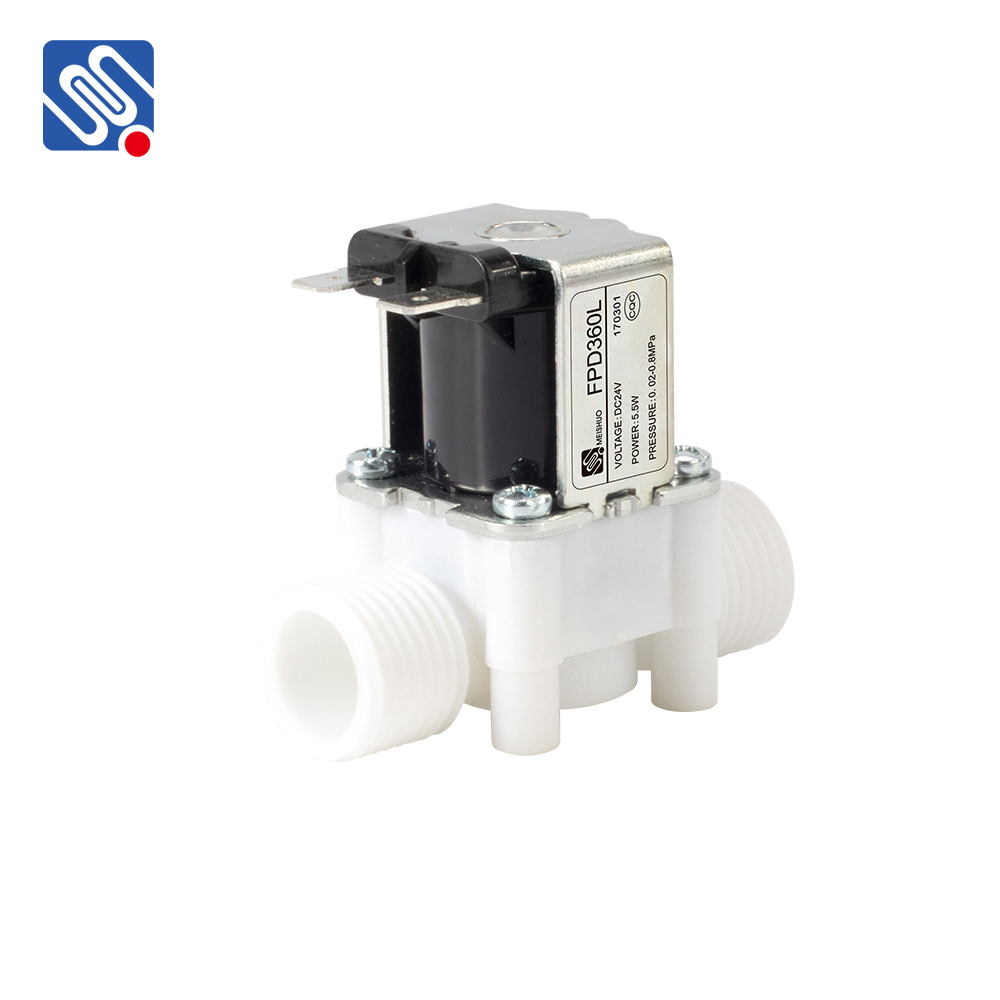
What is a Plastic Water Solenoid Valve? A Plastic Water Solenoid Valve is an electrically controlled valve that regulates the flow of water through a system. The core mechanism involves an electromagnetic coil, which, when energized, generates a magnetic field that opens or closes a valve. This mechanism enables precise control over fluid flow in systems where traditional manual valves might not be practical or efficient. The valve is usually designed to be actuated by an electrical signal, which makes it suitable for automated control in various applications. Materials and Design
The primary difference between plastic water solenoid valves and traditional metal solenoid valves lies in the materials used for construction. Plastic materials such as PVC (Polyvinyl Chloride), PP (Polypropylene), and PVDF (Polyvinylidene Fluoride) are commonly used due to their excellent resistance to corrosion, low weight, and cost-effectiveness. These materials are ideal for handling water and other chemicals in environments where traditional metal valves might corrode or degrade over time.