Plastic solenoid valves have emerged as crucial components in various industrial applications, offering a lightweight and corrosion-resistant solution for controlling the flow of liquids and gases. These valves leverage the principles of electromagnetism to operate, enabling efficient and precise control over fluid dynamics. In this article, we delve into the workings, benefits, applications, and essential considerations regarding plastic solenoid valves.
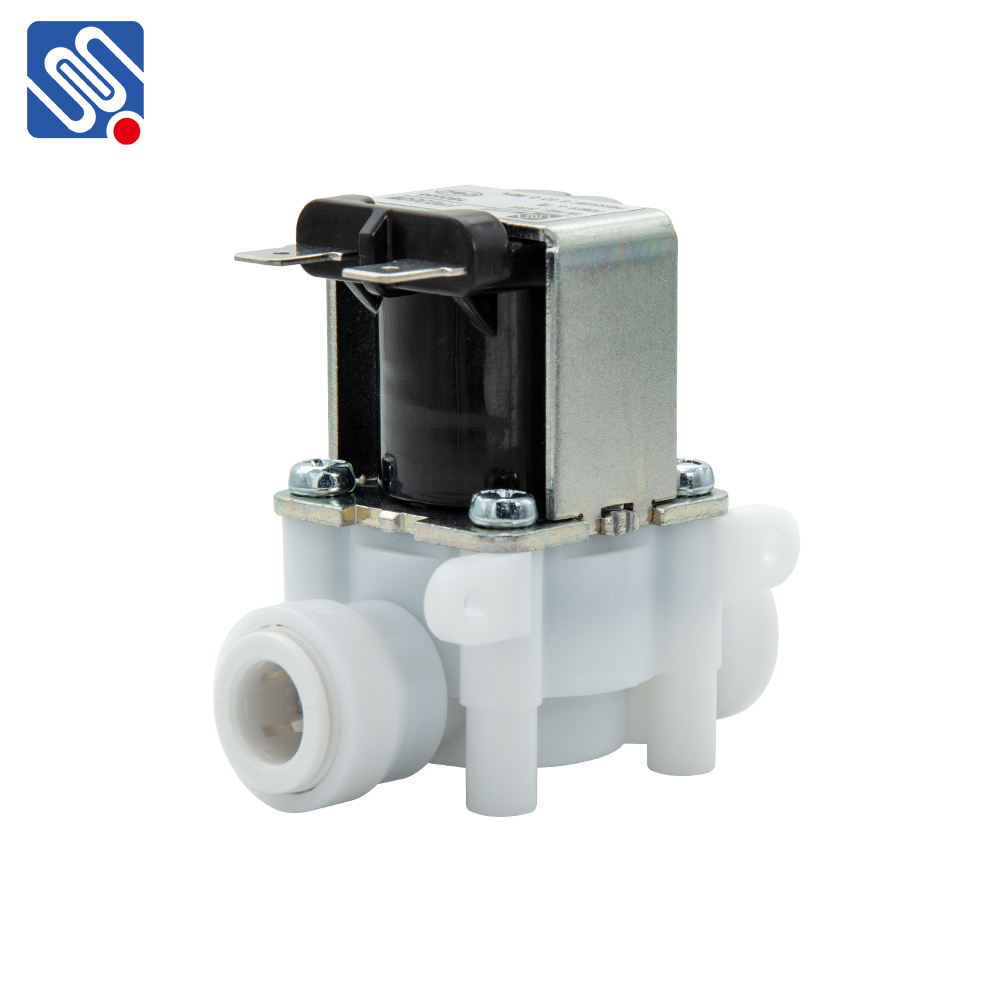
How Plastic Solenoid Valves Work At its core, a solenoid valve consists of an electromagnet and a moving part, often referred to as a valve seat or core. When electricity passes through the coil surrounding the electromagnetic component, it generates a magnetic field. This magnetic field exerts force on the valve seat, causing it to open or close the flow pathway. The operation of the valve can be normally closed (NC) or normally open (NO), depending on the design and desired functionality. In a normally closed plastic solenoid valve, the flow is halted when the coil is not energized, while energizing the coil allows fluid to pass. Conversely, a normally open valve permits flow when de-energized and blocks it when activated. This versatility allows users to select a suitable valve type based on their specific application needs.