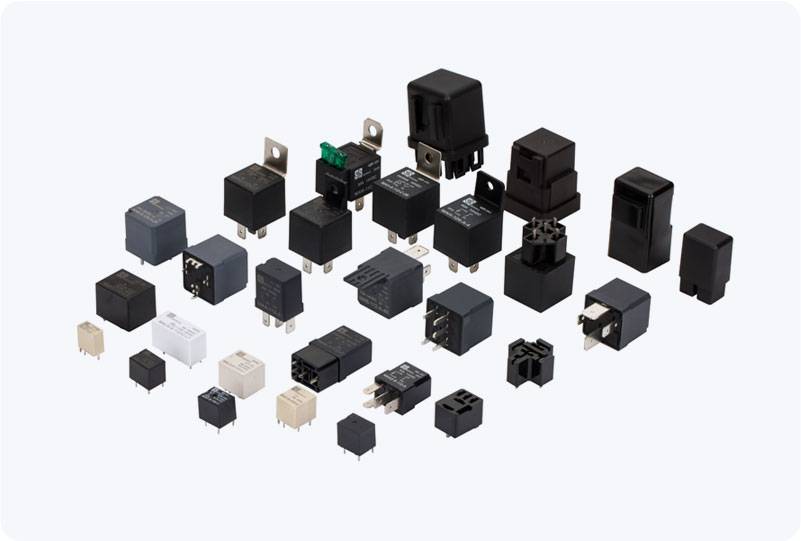
The PCB electromagnetic relay is a fundamental electronic component used in modern circuits for controlling electrical loads. By utilizing the principle of electromagnetism, it serves as an essential element in automation, power management, and many other electrical applications. This article explores the working mechanism, advantages, applications, and key considerations of PCB electromagnetic relays.
Working Principle The basic operation of a PCB electromagnetic relay relies on an electromagnet — a coil of wire that, when energized, creates a magnetic field. When a voltage is applied to the coil, the magnetic field attracts a movable iron armature, which causes the relay’s switch contacts to either close or open, depending on the design. This allows the relay to control high-power circuits with a low-power input. In simple terms, the PCB relay acts as a bridge between a control circuit (typically low voltage) and a power circuit (which can be higher voltage), allowing the latter to be controlled safely.