A PCB electromagnetic relay is a key component in modern electronics, offering a reliable and cost-effective way to switch electrical circuits on and off. These relays are widely used in various applications, from industrial automation to consumer electronics, due to their simplicity, efficiency, and versatility. In this article, we will explore the function, applications, advantages, and considerations when choosing a PCB electromagnetic relay.
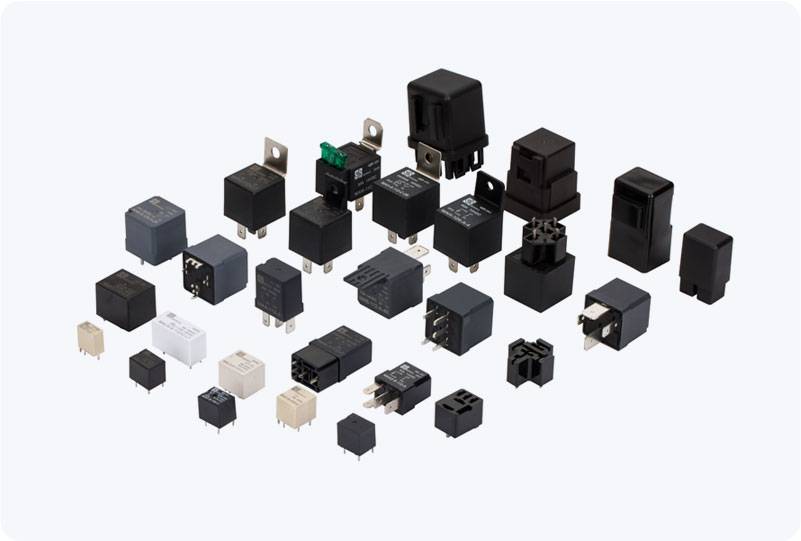
What is a PCB Electromagnetic Relay? A PCB electromagnetic relay is an electromechanical device designed to control the flow of electrical current in a circuit. It consists of a coil of wire (the electromagnetic element) that, when energized, creates a magnetic field. This magnetic field activates a mechanical armature or lever, which moves to either make or break the connection of electrical contacts. The relay typically features a set of contacts that can be open (NO – Normally Open) or closed (NC – Normally Closed), allowing it to switch the circuit based on the input signal. These relays are specifically designed to be mounted directly onto a printed circuit board (PCB), which makes them convenient for automated assembly processes in electronic devices. This integration helps streamline the design and manufacturing of complex systems while saving space and reducing overall costs.