In the realm of electronics and electrical engineering, the PCB (Printed Circuit Board) electromagnetic relay serves as a fundamental component that plays a critical role in controlling circuits and protecting various electrical devices. By utilizing electromagnetic principles, these relays act as switches that can turn circuits on or off based on the presence of an electric current. This article aims to provide a comprehensive overview of PCB electromagnetic relays, including their construction, operation, applications, selection criteria, and future trends.
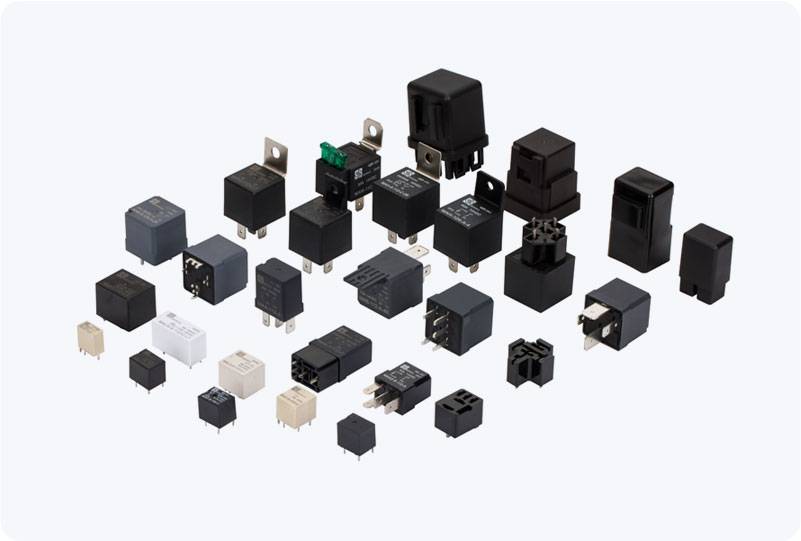
Construction of PCB Electromagnetic Relays A typical electromagnetic relay consists of several key components: Coil: This is a wire wound into a coil that generates a magnetic field when electric current flows through it. The coil’s voltage rating must match the intended application. Core: Usually made of ferromagnetic material, the core amplifies the magnetic field generated by the coil, allowing the relay to operate efficiently. Contacts: Relays feature contacts that connect or disconnect circuits. These include Normally Open (NO) contacts, which are closed when the relay is energized, and Normally Closed (NC) contacts, which are open when the relay is energized.