PCB electromagnetic relays are essential components in the realm of electronic control systems. These electromechanical devices utilize electromagnetic principles to control the flow of electricity in various applications, ranging from household appliances to industrial automation. This article delves into the architecture, functionality, and crucial applications of PCB electromagnetic relays, highlighting their significance in modern electronics.
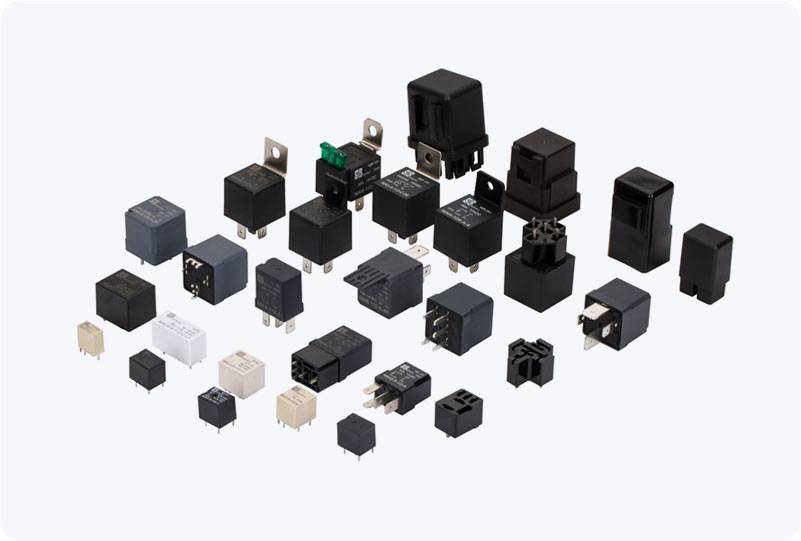
Introduction to PCB Electromagnetic Relays An electromagnetic relay is essentially a switch that operates electromechanically. It consists of a coil that generates a magnetic field when an electric current passes through it. This magnetic field actuates an armature that connects or disconnects the relay’s contacts, thus controlling the flow of electricity. PCB electromagnetic relays are designed to be mounted directly onto printed circuit boards (PCBs), making them compact and efficient for various electronic applications. Architecture of PCB Electromagnetic Relays The fundamental components of a PCB electromagnetic relay include: