Overload relays are crucial devices in the realm of electrical engineering, particularly in the operation and protection of electric motors. These components serve as safeguards against overcurrent conditions that could potentially damage motors, ensuring their longevity and reliability. This article explores the function, operation, types, applications, and maintenance of overload relays, highlighting their significance in industrial and commercial settings.
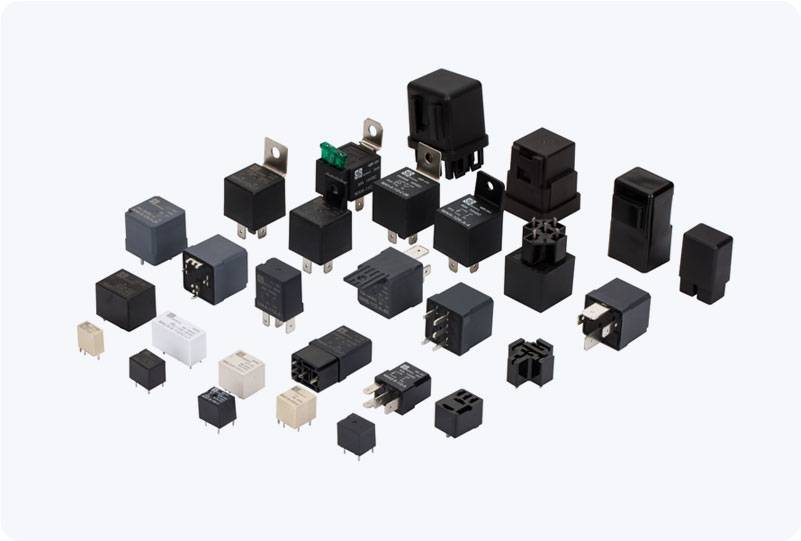
Function and Importance The primary role of an overload relay is to monitor the current flowing to an electric motor. When a motor operates beyond its designed capacity, excessive current can lead to overheating and, ultimately, catastrophic failure. Overload relays are designed to interrupt the power supply to the motor when an overload condition is detected. By doing so, they prevent overheating and reduce the risk of insulation failure, bearing damage, or even fire hazards. In essence, the overload relay acts as the motor’s guardian, ensuring safe operations while minimizing the risk of downtime and costly repairs. This makes them indispensable in various applications, from manufacturing processes to HVAC systems and conveyor operations.