Overload relays are an integral part of modern electrical protection systems, primarily used to safeguard electric motors from damage due to overcurrent conditions. These relays play a crucial role in ensuring the longevity and efficiency of motors by cutting off power in case of overloads. Overload relays are widely used in various industrial applications, where motors are critical for operations like pumps, compressors, conveyor belts, and fans. This article delves into the functionality, types, and applications of overload relays, along with their importance in protecting electric motors.
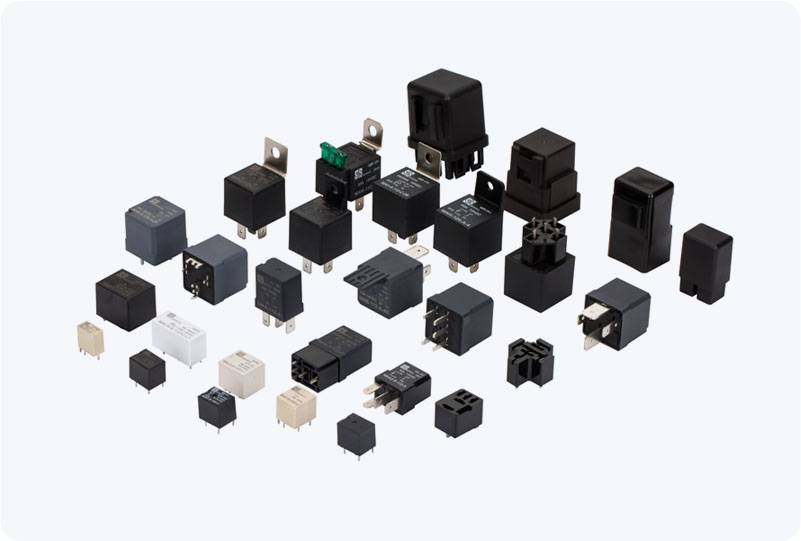
What is an Overload Relay? An overload relay is a protective device designed to prevent electric motors from drawing excessive current, which can result in overheating and potentially permanent damage. These relays are connected to the motor’s power circuit and monitor the current being drawn by the motor. If the current exceeds a predefined threshold (overload), the relay will interrupt the power supply to the motor, thereby protecting it from overheating and failure. Functionality of Overload Relays The primary function of an overload relay is to sense when a motor is drawing more current than it is designed to handle. The relay then operates to break the circuit and shut down the motor, preventing damage due to excessive heat or stress.