Overload Protection Relays are critical components in electrical engineering that ensure the safety and longevity of electrical systems, particularly electric motors. These devices play a pivotal role in preventing machinery from operating under excessive electrical loads, which can lead to overheating, equipment damage, and even catastrophic failures. This article will delve into the workings, types, applications, and importance of overload protection relays in modern electrical systems.
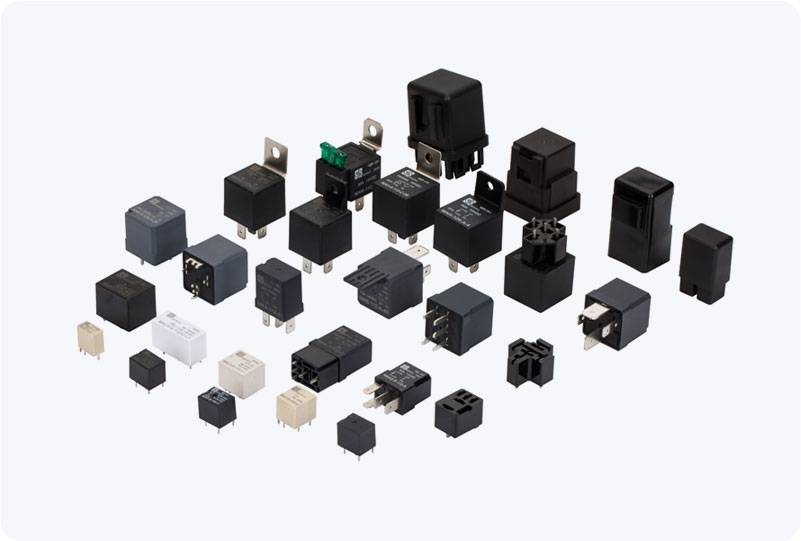
How Overload Protection Relays Work The primary function of an overload protection relay is to monitor the current flowing through an electric motor. When the current exceeds a predetermined threshold—often set based on the motor’s rated current—the relay activates a protective mechanism. This typically involves disconnecting the power supply to prevent the motor from sustaining damage. The relays operate based on two main principles: thermal and electronic monitoring. Thermal overload relays utilize a bimetallic strip that bends when heated by the electrical current flowing through it. When the current exceeds the set limit, the heat generated bends the strip enough to break a circuit connection, thereby cutting off power. Conversely, electronic overload relays use current sensors and digital components to provide more precise monitoring. They can quickly react to current fluctuations and often allow for adjustable settings to tailor the protection to specific applications.