The Overload Protection Relay (OPR) is an essential component in modern electrical systems, safeguarding motors and machinery from the detrimental effects of overload conditions. This device operates by continuously monitoring current levels, ensuring that equipment operates within designated parameters. In this article, we delve into the working principles, significance, applications, and installation considerations of Overload Protection Relays.
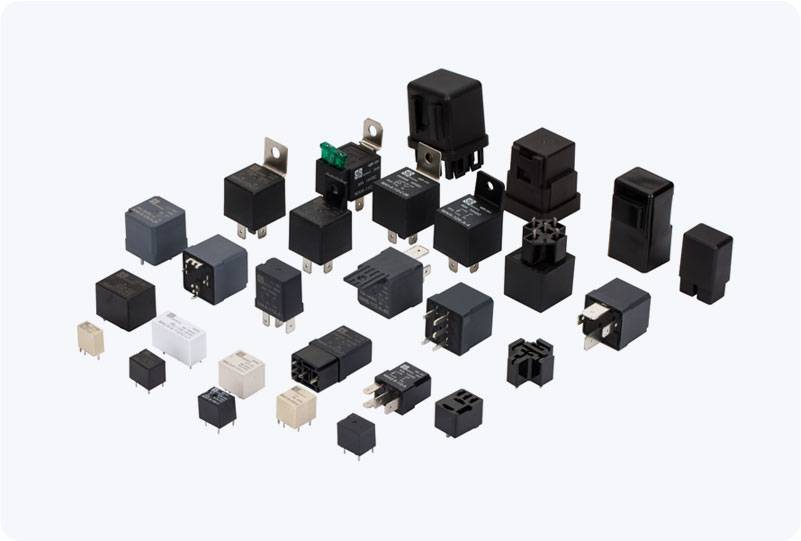
Working Principles Overload Protection Relays are designed to protect motors from overheating and potential damage caused by excessive current. The fundamental operation of an OPR involves monitoring the current flowing through a circuit. When the current exceeds a preset threshold, which is typically determined based on the motor’s rating, the relay senses this overload condition. Most OPRs employ thermal or electromechanical mechanisms for detection. In thermal models, the relay contains a bimetallic strip that bends when heated by excessive current, triggering a switch that disconnects the power supply. Electromechanical relays, on the other hand, use coils and magnets to achieve a similar outcome.