In the fast-evolving landscape of industrial automation, reliability and performance are paramount. Among the most essential components facilitating these requirements are relays, specifically the industrial relays manufactured by Omron. Known for their precision engineering and robust design, Omron Industrial Relays have garnered a reputation as a staple in various sectors, including manufacturing, energy management, and building automation. This article aims to provide a comprehensive overview of Omron Industrial Relays, highlighting their features, applications, and advantages.
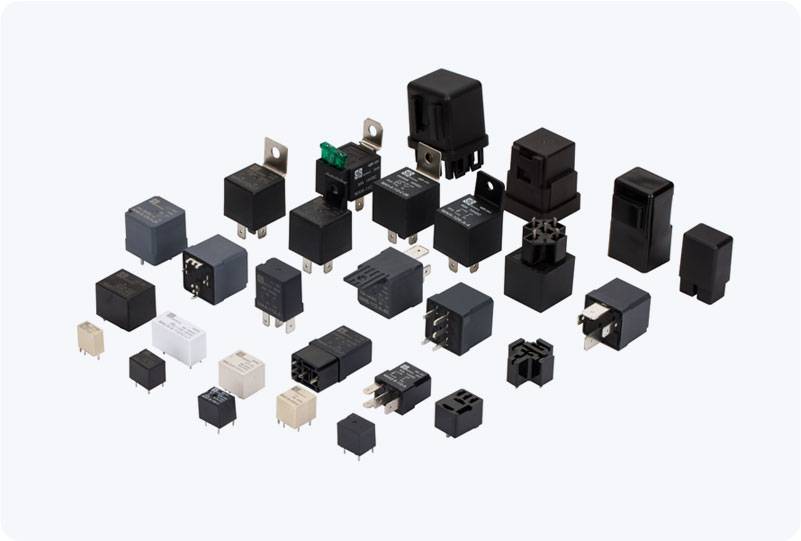
What is an Omron Industrial Relay? An industrial relay is an electromechanical switch that utilizes an electromagnet to mechanically operate a switch. Omron Industrial Relays are designed to handle a range of applications, allowing users to control high-voltage devices with low-voltage control signals. These relays come in various types, such as electromagnetic relays, solid-state relays (SSR), time delay relays, and monitoring relays, making them versatile components in industrial settings. Key Features of Omron Industrial Relays Durability and Longevity: One of the most significant advantages of Omron Industrial Relays is their high durability. Engineered to endure frequent switching operations, these relays feature robust construction that ensures both mechanical and electrical longevity. Many models can handle millions of switching cycles, which is essential for reducing the cost of maintenance and minimizing downtime in industrial environments.