Electric motors are vital components in many industries, powering everything from simple household appliances to large industrial machines. As crucial as they are, motors are also susceptible to damage, especially when subjected to conditions like overcurrent or overload. This is where the Motor Overload Relay comes in—a device designed to protect motors from such dangers. In this article, we will explore the importance of motor overload relays, their working principle, types, and applications in various fields.
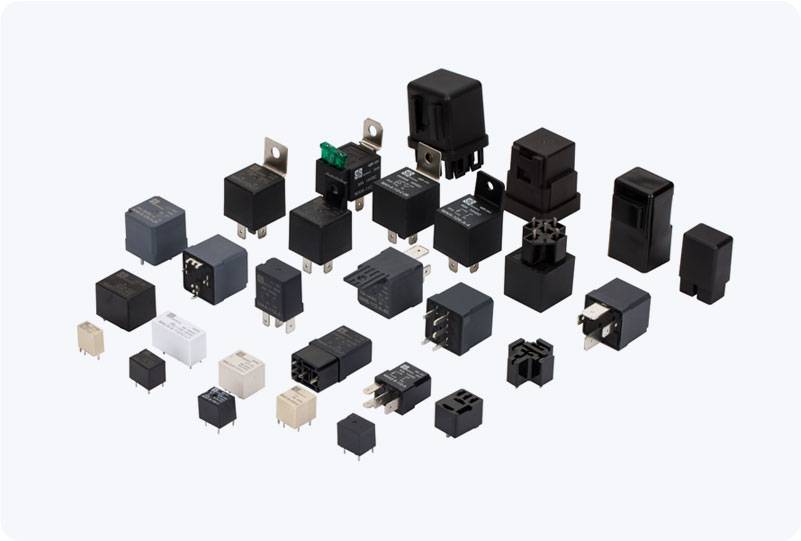
What is a Motor Overload Relay? A Motor Overload Relay is an essential protective device used in electrical circuits to prevent electric motors from being damaged due to excessive current. It continuously monitors the motor’s current and disconnects the motor from the power supply when it detects that the current exceeds the motor’s rated value for a specific period. By doing so, it prevents overheating and potential failure of the motor, ensuring its longevity and efficient operation. The Importance of Motor Overload Protection Electric motors are designed to operate within a specified range of current. When motors are subjected to loads beyond their rated capacity, they draw more current, which generates excess heat. If this overload condition persists, the motor can overheat, leading to insulation damage, reduced efficiency, or complete failure. In extreme cases, motor failure may cause fires or costly damages to connected machinery.