A Motor Overload Relay is a critical device designed to protect electric motors from damage caused by excessive electrical currents or overheating. Electric motors, which power countless machines and appliances across various industries, are vulnerable to burnout or other severe damage if they experience overload conditions. This article explores the importance, functionality, and types of motor overload relays, as well as their application in ensuring the longevity and safe operation of electric motors.
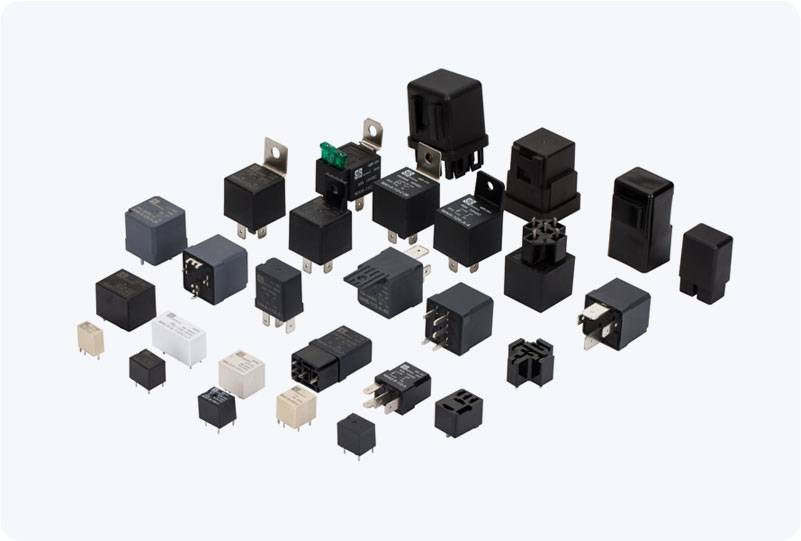
What is a Motor Overload Relay? A Motor Overload Relay (MOR) is an electrical protection device used to prevent electric motors from running in dangerous conditions. It continuously monitors the motor’s current and interrupts the power supply if the current exceeds the safe operating range, typically due to overloads or mechanical failures. This protection mechanism is essential for preventing overheating, reducing the risk of motor failure, and minimizing potential damage to the motor and connected machinery. How Does a Motor Overload Relay Work? The operation of a motor overload relay is based on its ability to sense excess current flowing through the motor circuit. When the motor is overloaded, meaning it is drawing more current than it should, the relay will detect this surge. The device typically uses thermal or magnetic sensing elements to trigger an interruption of the current flow.