A Motor Control Power Relay is a vital component in industrial motor control systems, playing a crucial role in regulating and protecting motors in various applications. These relays are designed to handle high-power circuits, ensuring safe, efficient, and reliable operation of electric motors used in manufacturing, automation, and HVAC systems. In this article, we will explore the working principle, key functions, applications, and benefits of Motor Control Power Relays.
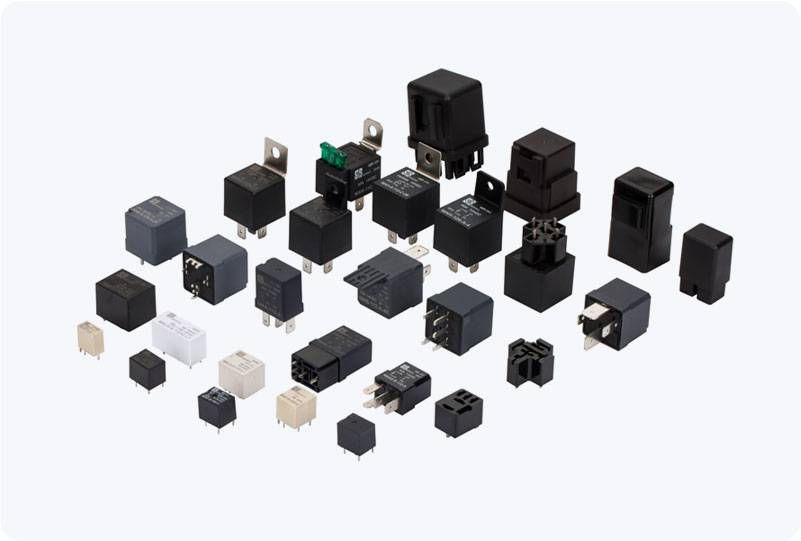
What is a Motor Control Power Relay? A Motor Control Power Relay is an electromechanical switch that is used to control the operation of motors, often in industrial settings. The primary function of the relay is to control the power supply to the motor, turning it on or off based on electrical signals. It consists of a coil that generates a magnetic field when energized, attracting or repelling a set of contacts to either close or open the circuit, thus allowing current to flow or halting the operation. Motor Control Power Relays are often used in conjunction with other protective devices such as overload relays, circuit breakers, and contactors to ensure that the motor operates safely under varying conditions.