Miniature relays are essential components in the modern electronics landscape, providing a reliable way to control larger electrical circuits with minimal space requirements. These small yet powerful devices serve a crucial role in various applications, ranging from home appliances to automotive systems and industrial machinery. In this article, we will explore the fundamental concepts behind miniature relays, their construction, uses, advantages, and considerations when selecting the right relay for specific applications.
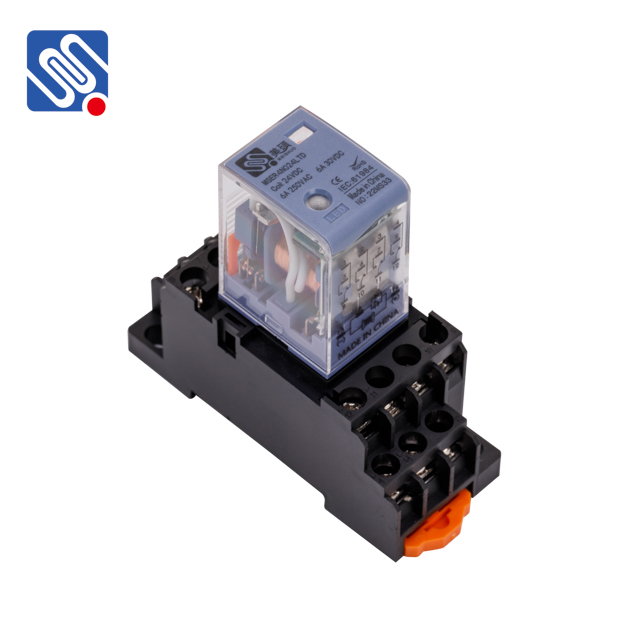
What is a Miniature Relay? A miniature relay is a compact electromagnetic switch used to control the flow of electricity in a circuit. When an electric current passes through its coil, it generates a magnetic field that activates the mechanical movement of the relay’s contacts, thereby opening or closing the circuit. The ability to switch larger currents and voltages with a relatively small signal makes miniature relays invaluable in controlling high-power devices. Construction of Miniature Relays The basic components of a miniature relay include: Coil: The coil is wound with conductive wire and is energized by the input control signal. When powered, the coil creates a magnetic field.