Miniature relays are small but powerful components widely used in various electrical and automation systems. They play a critical role in controlling electrical circuits by allowing a small input signal to control larger loads, making them essential in many fields, from home appliances to automotive systems. In this article, we will explore the features, working principle, applications, and considerations when selecting a miniature relay for different tasks.
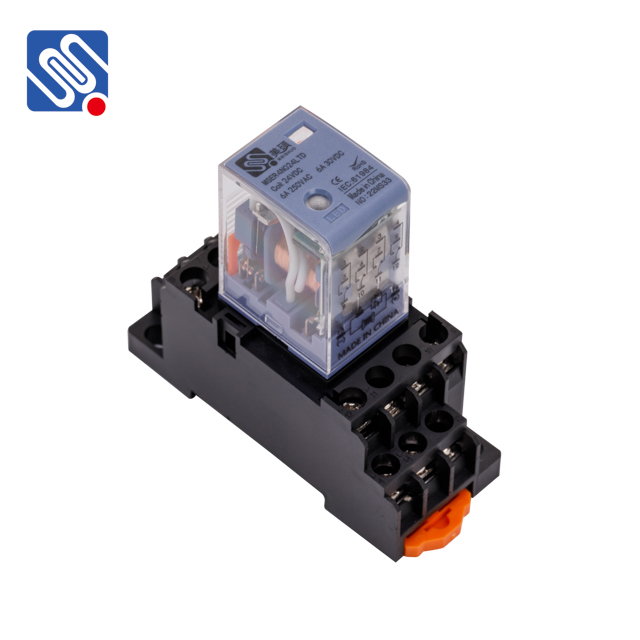
What is a Miniature Relay? A miniature relay is a small-sized electrical switch that can control higher power circuits with the help of a low-power input signal. It typically consists of a coil, a set of contacts (either normally open or normally closed), and a spring mechanism. When an electrical current flows through the coil, it generates a magnetic field that either attracts or repels a movable armature, causing the contacts to switch from one state to another. The compact size and efficient design of miniature relays allow them to be used in applications where space is limited, such as in appliances, control panels, and automotive circuits. Despite their small form factor, these relays can handle significant electrical loads, making them highly reliable in a wide range of uses.