Introduction
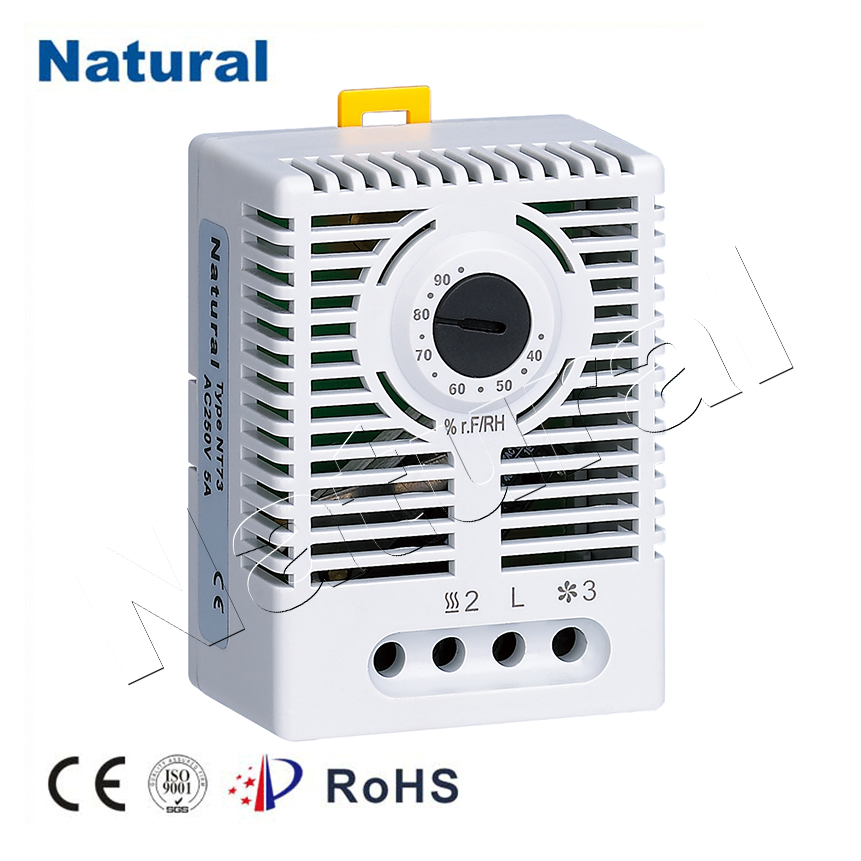
In the realm of climate and environment control, maintaining optimal humidity levels is crucial for preserving materials, ensuring human comfort, and supporting various industrial processes. One effective tool for achieving this balance is the mechanical hygrostat. In this article, we delve into the functionality and significance of mechanical hygrostats, exploring their applications and advantages in humidity regulation. The Mechanics Behind Mechanical Hygrostats A mechanical hygrostat is a device designed to control humidity by utilizing the principles of hygroscopy – the ability of certain materials to absorb moisture from the air. The core of the hygrostat comprises two essential components: a moisture-sensitive element and a mechanical switching mechanism. The moisture-sensitive element, often made of hygroscopic materials like salts, expands and contracts in response to changes in humidity. This element is connected to the mechanical switch, which triggers specific actions based on the element’s expansion or contraction. How Mechanical Hygrostats Operate When humidity levels rise, the moisture-sensitive element absorbs moisture from the air, causing it to expand. This expansion engages the mechanical switch, which can activate or deactivate a connected device or system. For instance, a mechanical hygrostat may be used to control ventilation systems, humidifiers, or dehumidifiers. As the humidity decreases and the moisture-sensitive element contracts, the mechanical switch returns to its original position, thereby reversing the action of the connected device. Applications and Benefits Home Humidity Control: Mechanical hygrostats find applications in homes to regulate humidity levels, preventing issues such as mold growth, dust mites, and wood deformation. They can be integrated with air conditioning systems to ensure a comfortable and healthy indoor environment. Industrial Processes: In industries like food production and storage, textiles, and pharmaceuticals, maintaining specific humidity levels is crucial. Mechanical hygrostats play a pivotal role in ensuring product quality and extending shelf life. Greenhouses and Agriculture: Agricultural practices often require precise humidity control for optimal plant growth. Mechanical hygrostats can aid in automating greenhouse ventilation and irrigation systems. Museums and Archives: Valuable artifacts and documents are susceptible to damage caused by fluctuating humidity. Mechanical hygrostats help preserve these cultural treasures by stabilizing humidity conditions. Advantages of Mechanical Hygrostats Reliability: Mechanical hygrostats operate without relying on external power sources, making them dependable even in case of power outages or electrical failures. Cost-Effective: Their simple design and self-sustaining operation make mechanical hygrostats a cost-effective solution for humidity control, especially in comparison to electronic alternatives. Low Maintenance: These devices have minimal maintenance requirements due to their rugged and uncomplicated construction. Conclusion In a world where precise environmental control is increasingly essential, mechanical hygrostats stand as a robust and dependable solution for humidity regulation. Their ability to maintain optimal conditions across various settings, coupled with their reliability and cost-effectiveness, positions them as a valuable tool for preserving materials, enhancing human comfort, and supporting industrial processes. As technology advances, the enduring principles behind mechanical hygrostats continue to play a pivotal role in our ongoing efforts to achieve a balanced and controlled environment.