Low Voltage DC Relays are essential components in numerous electronic circuits, particularly those that operate on low voltage direct current (DC) systems. These relays function as electromagnetic switches, enabling users to control electrical circuits by using low-power signals to control higher-power devices. This article delves into the working principles, key features, and various applications of Low Voltage DC Relays.
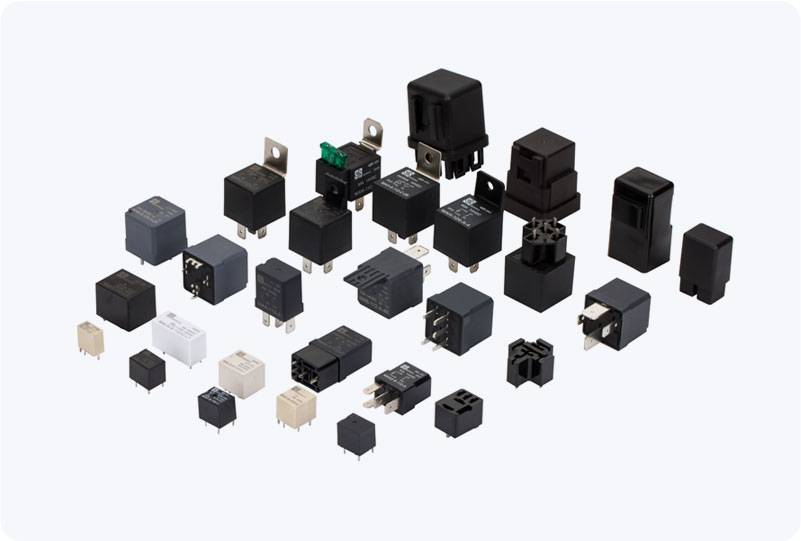
What is a Low Voltage DC Relay? A Low Voltage DC Relay is an electromechanical device that allows for the switching of electrical circuits. It operates by using an electromagnet to physically move a set of contacts, thus opening or closing a circuit. When a DC voltage is applied to the coil (the electromagnet), it generates a magnetic field, attracting a metal armature that moves the contacts to change the state of the circuit. These relays are primarily designed to work with lower voltage levels, typically in the range of 12V, 24V, and 48V DC, making them ideal for applications that require low power consumption.