Low Voltage DC Relay is a vital component in modern electrical and electronic systems, offering a reliable and efficient way to control low-voltage direct current (DC) circuits. These relays function as electrical switches, allowing control of high-current circuits with a low-voltage input. They are widely used in various automation, protection, and signaling systems, making them indispensable for applications in industries such as automotive, home automation, and telecommunications.
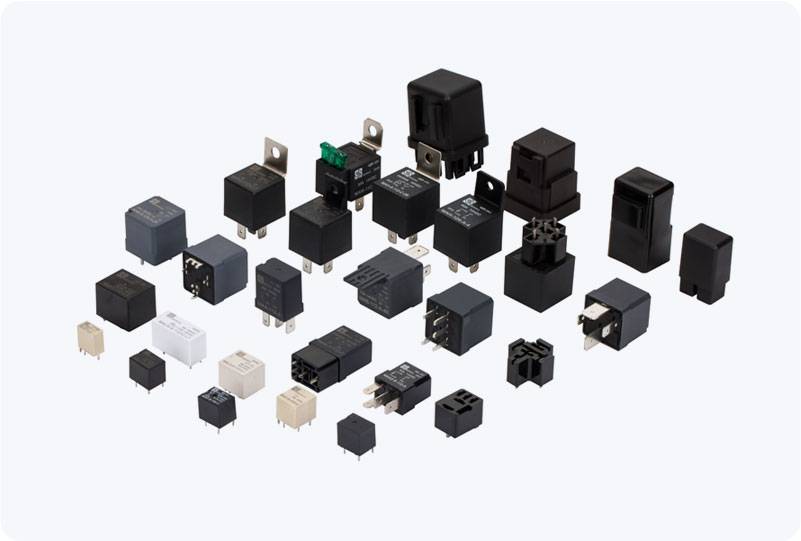
What is a Low Voltage DC Relay? A Low Voltage DC Relay is an electromechanical device that uses a low-voltage direct current to activate or deactivate a set of contacts, controlling the flow of electricity in a circuit. When a voltage is applied to the relay’s coil, a magnetic field is generated, which moves a set of contacts. These contacts can either close or open the circuit, depending on the relay’s configuration. The fundamental purpose of a relay is to isolate different parts of the circuit while providing a means to switch electrical power or signals between them. Unlike their AC counterparts, which are used to control alternating current, DC relays are specifically designed for use in DC circuits. These relays offer precise switching and are known for their fast response times and low power consumption.