Low flow solenoid valves are essential components in various fluid control systems, known for their precision and efficiency in managing the flow of liquids and gases at low volumes. These valves utilize electromagnetic forces to open and close the flow path, making them ideal for applications where automated control is required. Understanding the functionality, applications, and benefits of low flow solenoid valves can significantly enhance their utilization in various industrial and laboratory setups.
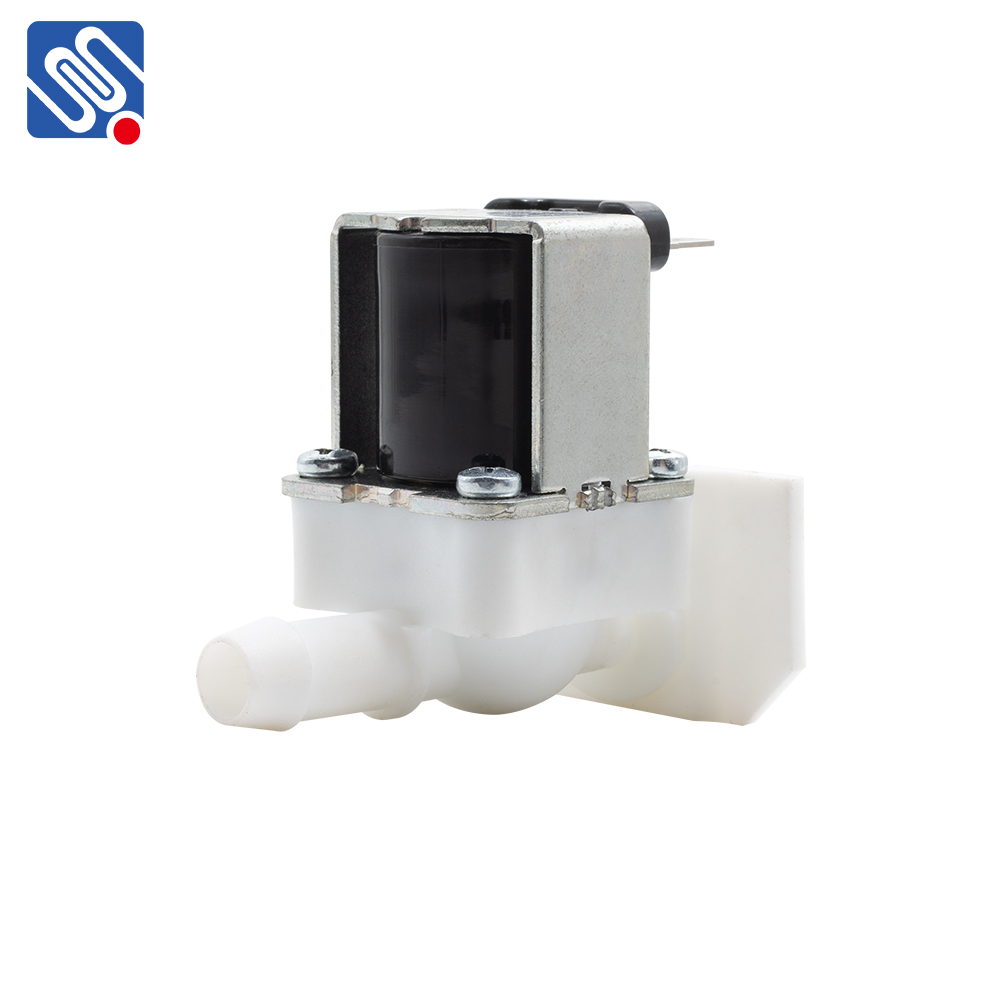
Functionality At the core of a low flow solenoid valve is the mechanism by which it operates. The basic operation begins with an electric current flowing through a coil, generating a magnetic field. This magnetic field interacts with a movable armature, which either opens or closes the valve seat. Depending on the design, these valves can be classified into two types: normally closed (NC) and normally open (NO). In NC valves, the valve remains closed when de-energized and opens when energized. Conversely, NO valves do the opposite, remaining open unless power is applied. Low flow solenoid valves are designed for precise control over small volumes of fluid, typically operating effectively within a flow range of just a few milliliters to several liters per minute. Their compact design makes them easily integrable into systems where space is at a premium, such as in medical devices, laboratory equipment, and microfluidic applications.