Lockout/Tagout (LOTO) is a critical safety procedure widely used in industrial and manufacturing environments to prevent accidents and injuries caused by the accidental release of hazardous energy. One of the key components of an effective LOTO system is the use of LOTO tags, which play an essential role in securing machinery and equipment during maintenance or repair. In this article, we will explore what LOTO tags are, their importance, and how they contribute to workplace safety.
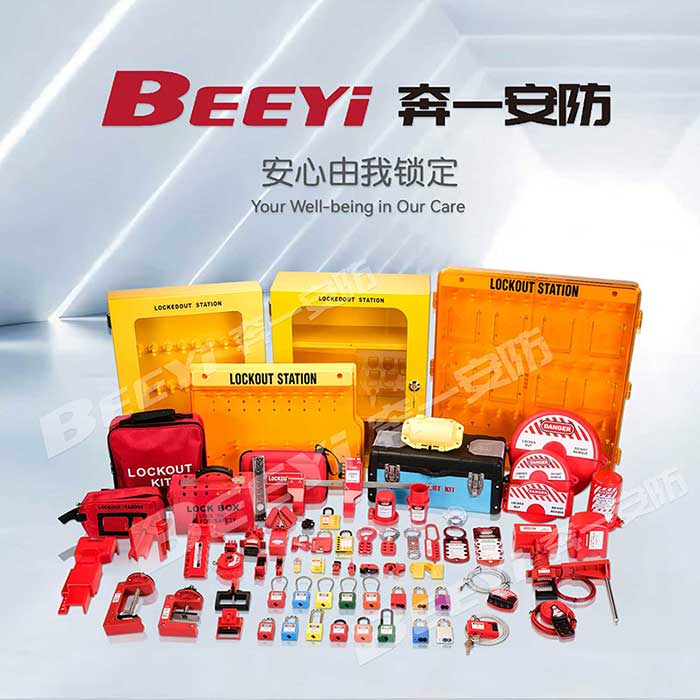
What Are LOTO Tags? LOTO tags are warning labels or tags that are attached to energy-isolating devices (like electrical circuits, valves, or switches) when they are locked out to prevent the accidental activation of equipment. These tags are part of the Lockout/Tagout safety procedure, a set of OSHA (Occupational Safety and Health Administration) guidelines designed to protect workers from the dangerous release of stored energy during maintenance activities. The tags themselves are typically made of durable materials like plastic or laminated cardstock and feature clear, bold text that indicates the equipment is being serviced and should not be operated. They also include specific information such as the name of the employee performing the maintenance, the date, and the purpose of the lockout, providing essential visibility and accountability.