In today’s fast-paced industrial and commercial environments, workplace safety is paramount. Among the various safety protocols, the Lockout-Tagout (LOTO) procedure stands out as a critical method for ensuring the safety of workers who service machinery and equipment. A vital component of this procedure is the Loto Lock, a specialized locking mechanism designed for securing machines during maintenance. This article delves into the significance, functionalities, and applications of Loto Locks, emphasizing their role in enhancing workplace safety.
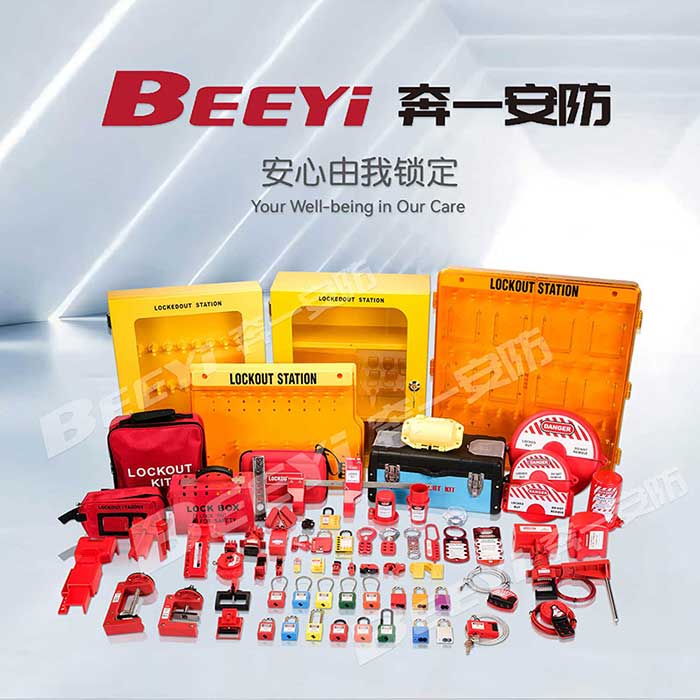
What is Loto Lock? Loto Lock refers to a variety of locking devices specifically used within the Lockout-Tagout safety procedures. These locks are applied to energy-isolating devices, such as circuit breakers, valves, or machine controls, to prevent accidental machine start-up during maintenance or repair work. The purpose of the Loto Lock is to safeguard authorized personnel while ensuring that machinery cannot be inadvertently re-energized, which can lead to severe injuries or fatalities. Importance of Lockout-Tagout Procedures The LOTO procedure is a critical safety protocol mandated by regulatory bodies such as the Occupational Safety and Health Administration (OSHA) in the United States. According to OSHA, there are approximately 3 million workers in the manufacturing sector, many of whom are exposed to hazardous energy during machine maintenance. The implementation of LOTO procedures helps prevent workplace accidents by ensuring systematic and controlled equipment shutdowns. With Loto Locks at the forefront, this is achievable.