In industrial settings, safety is a paramount concern, and effective measures must be in place to prevent accidents that can lead to injuries or fatalities. One of the most crucial safety practices in industries that deal with heavy machinery, electrical systems, and hazardous energy sources is the Lockout/Tagout (LOTO) procedure. The LOTO device plays a central role in ensuring that equipment is properly de-energized and isolated before maintenance, repair, or cleaning can begin. This article explores the importance, functionality, and different types of LOTO devices, as well as their role in enhancing workplace safety.
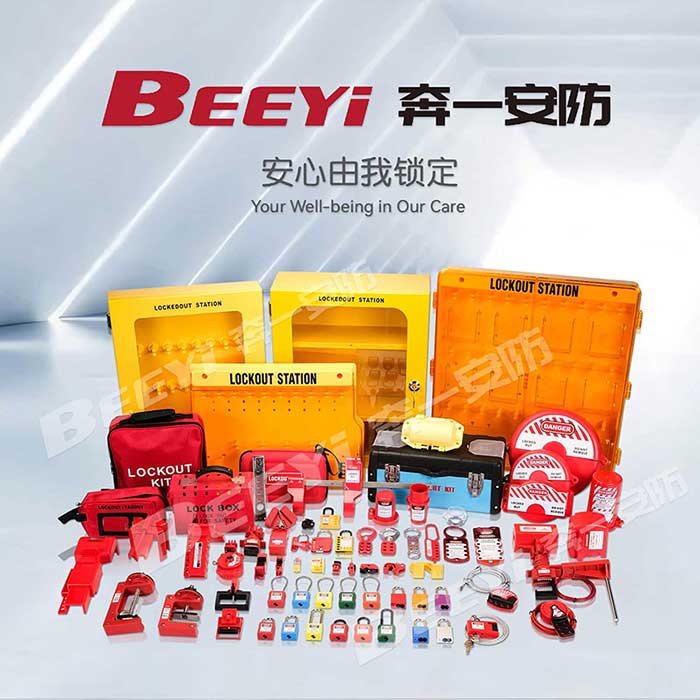
What is a LOTO Device? A LOTO device is a tool or mechanism used in lockout/tagout procedures to prevent the accidental release of hazardous energy. These devices are used to lock or tag energy sources, such as electrical switches, valves, or mechanical components, to ensure that workers cannot inadvertently operate the equipment while it is being serviced. The term “lockout” refers to the physical locking of an energy-isolating device (such as a switch or valve) to prevent it from being turned on, while “tagout” refers to the placement of a warning tag to indicate that maintenance or repair work is being performed.