Lockout/Tagout (LOTO) equipment is an essential component of workplace safety, particularly in environments where workers are exposed to hazardous machinery or electrical systems. These safety devices and procedures are designed to protect employees from accidental injuries caused by the unexpected startup or release of hazardous energy while servicing machines or equipment. In industries such as manufacturing, construction, and maintenance, the correct use of lockout/tagout equipment can mean the difference between life and death.
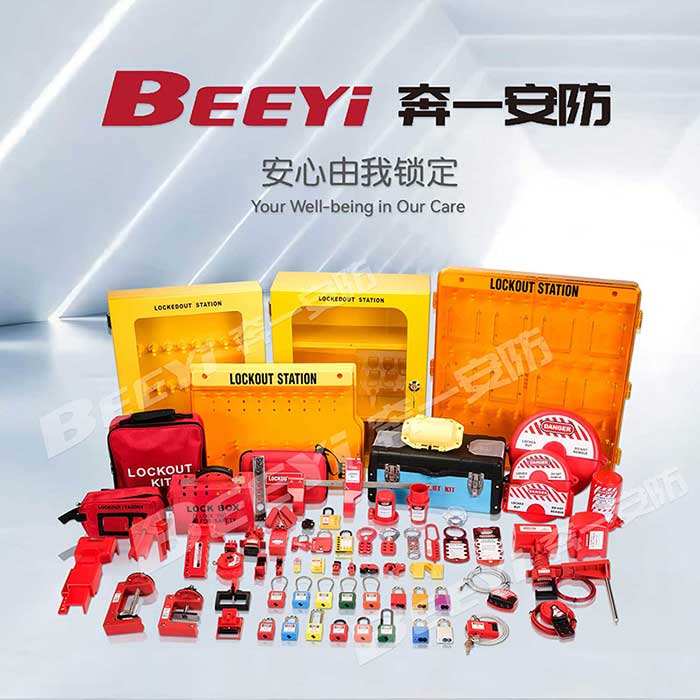
What is Lockout Tagout (LOTO)? Lockout/Tagout refers to a set of safety procedures used to prevent machinery or equipment from being accidentally energized or started up while workers are performing maintenance or repair tasks. The term “Lockout” refers to the physical locking of energy-isolating devices (like switches or valves) to prevent equipment from being powered, while “Tagout” involves placing a tag on the equipment to warn others that the machine is being worked on and should not be started. LOTO procedures are mandated by regulatory bodies like the Occupational Safety and Health Administration (OSHA) in the United States. OSHA’s regulations require employers to provide employees with the proper lockout/tagout devices, training, and protocols to ensure a safe working environment during maintenance operations.