In today’s fast-paced industrial and manufacturing environments, employee safety is a paramount concern. One critical component of occupational safety is the implementation of Lockout/Tagout (LOTO) procedures, which prevent accidental machine startups during maintenance and servicing. At the heart of these procedures are lockout safety padlocks—specialized locks designed to secure equipment and ensure that only authorized personnel can access or operate it during maintenance. This article delves into the importance, types, and best practices associated with lockout safety padlocks.
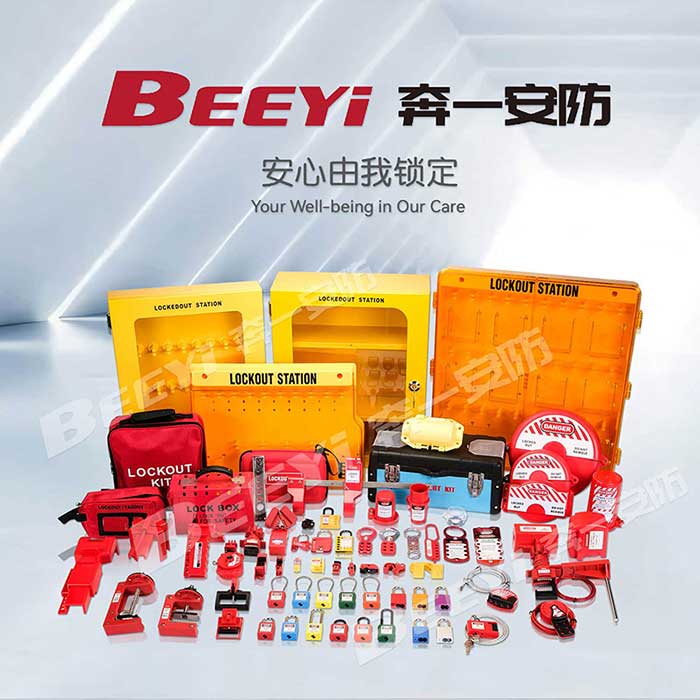
Importance of Lockout Safety Padlocks Lockout safety padlocks play a crucial role in safeguarding workers from potential hazards. When machinery or electrical equipment is being serviced, there is an inherent risk that a machine could be inadvertently started while a technician is performing maintenance. This can lead to serious injuries or even fatalities. By applying a lockout padlock to the equipment’s power source, the technician effectively ensures that the machine cannot be turned on until the lock is removed. This provides a clear, visual indication that the machine is out of service, protecting not only the individual performing the maintenance but also other employees in the vicinity.