Lockout hasps are essential tools in industrial safety programs, designed to prevent accidental equipment startup during maintenance or repair operations. As workplace safety regulations become stricter worldwide, the demand for high-quality lockout devices—including lockout hasps—has continued to rise. Understanding the Lockout Hasps price range, influencing factors, and market dynamics is important for both safety managers and procurement specialists who aim to balance safety standards with cost efficiency.
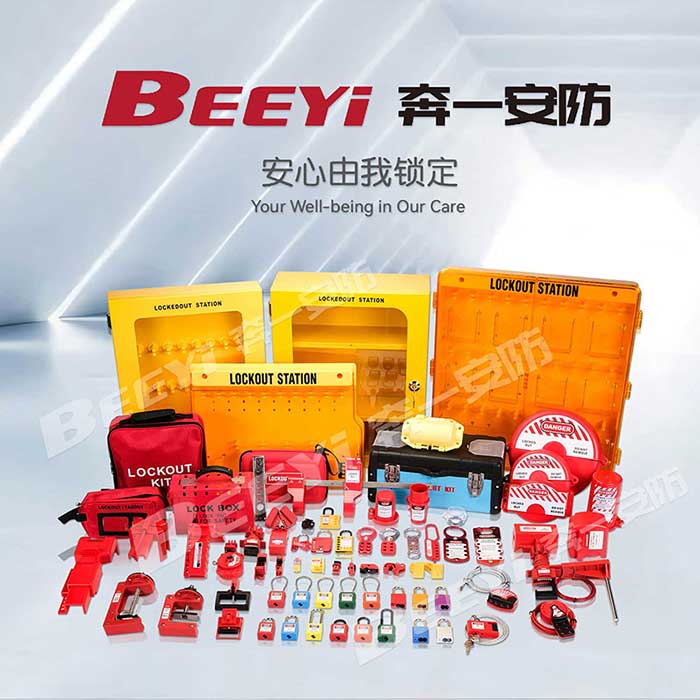
The price of lockout hasps can vary widely depending on the material, design, and brand reputation. Basic aluminum or steel lockout hasps typically cost between $3 to $10 per unit, offering a simple and reliable solution for most lockout/tagout (LOTO) applications. These models usually feature a durable metal body, a scissor-style design, and holes that allow multiple padlocks to be attached simultaneously. They are widely used in electrical, mechanical, and energy sectors for isolating switches, valves, and other hazardous energy sources. For operations requiring higher durability or resistance to extreme conditions, premium lockout hasps are available at higher prices, usually ranging from $10 to $30 or more. These advanced models may feature powder-coated steel, anodized aluminum, or even stainless steel construction for enhanced corrosion resistance. Some are designed with non-conductive nylon handles to ensure safety in electrical environments. Additionally, manufacturers like Brady, Master Lock, and Panduit offer customized or color-coded options for better visual management and identification in complex industrial settings.