Lockout hasps are crucial components in industrial safety, playing a pivotal role in ensuring the safety of workers during maintenance and repair activities. They are primarily used in the Lockout/Tagout (LOTO) procedure, a safety protocol designed to prevent the accidental release of hazardous energy while workers are servicing equipment. The Lockout Hasps application is not only vital for worker protection but also required for compliance with many workplace safety regulations.
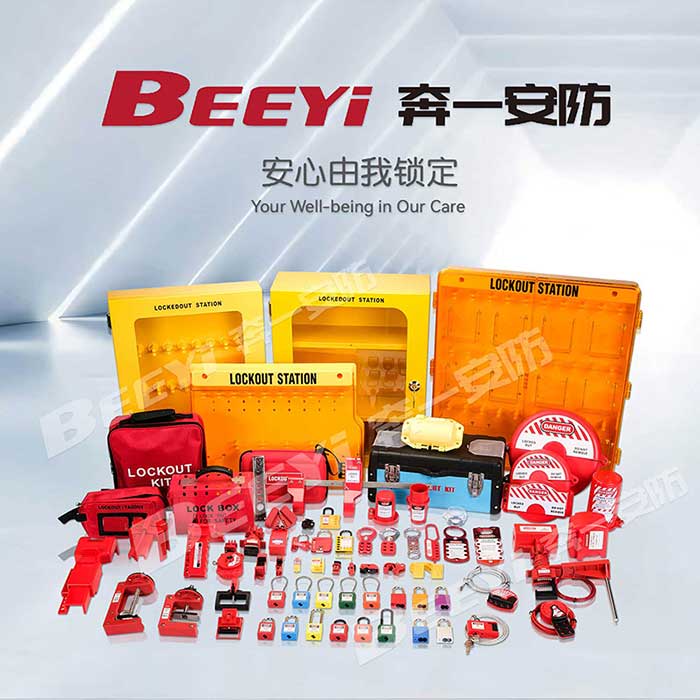
What are Lockout Hasps? A lockout hasp is a device used to secure the energy-isolating mechanism of equipment during maintenance or repair. It allows multiple workers to lock out the same piece of equipment simultaneously, preventing it from being turned on or energized until all workers have removed their locks. This ensures that machinery remains in a safe state and eliminates the risk of accidental activation. Lockout hasps typically come with several lock openings, enabling each worker to apply their own lock to the device. It is often used in conjunction with a Lockout/Tagout procedure, which is required by safety standards such as the Occupational Safety and Health Administration (OSHA) regulations.