In any industrial or manufacturing environment, safety is of utmost importance. One critical aspect of ensuring the safety of workers is the effective management of hazardous energy during maintenance and servicing of equipment. Lockout/Tagout (LOTO) procedures are essential for preventing accidental machine startups and ensuring that equipment is properly shut down and locked out before maintenance work begins. A key tool in this safety protocol is the lockout hasp.
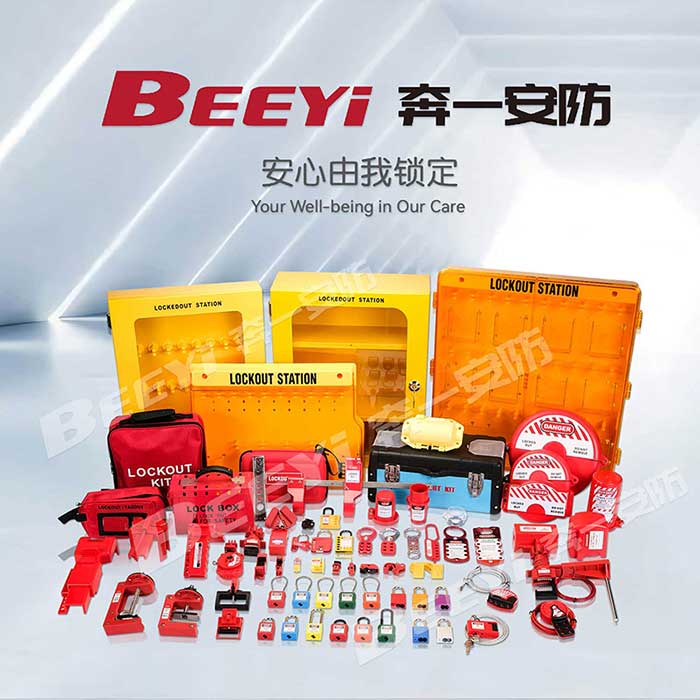
What Are Lockout Hasps? Lockout hasps are safety devices used to secure machinery and ensure that it cannot be operated accidentally while maintenance or repair work is being performed. Designed typically from durable materials like metal or high-strength plastic, these hasps are characterized by a central body and multiple attachment points for locks. Each hasp allows multiple locks to be affixed to a single device, making it especially useful in situations where more than one person may be working on or near the equipment. The Importance of Lockout Hasps in Workplace Safety Preventing Accidental Startups: One of the primary purposes of a lockout hasp is to prevent accidental machine startups. By locking the hasp, technicians ensure that no one can turn on the equipment until all locks have been removed, thus safeguarding everyone involved in maintenance operations.