Lockout, a term often associated with industrial safety and labor relations, plays a pivotal role in a variety of contexts, ensuring safety in workplaces and navigating complex labor negotiations. It encompasses procedures that protect workers during maintenance activities, strategies employed by employers during labor disputes, and even practices within the realm of information security. In this article, we will explore the multifaceted dimensions of lockout, its significance, and its implications for both safety and labor dynamics.
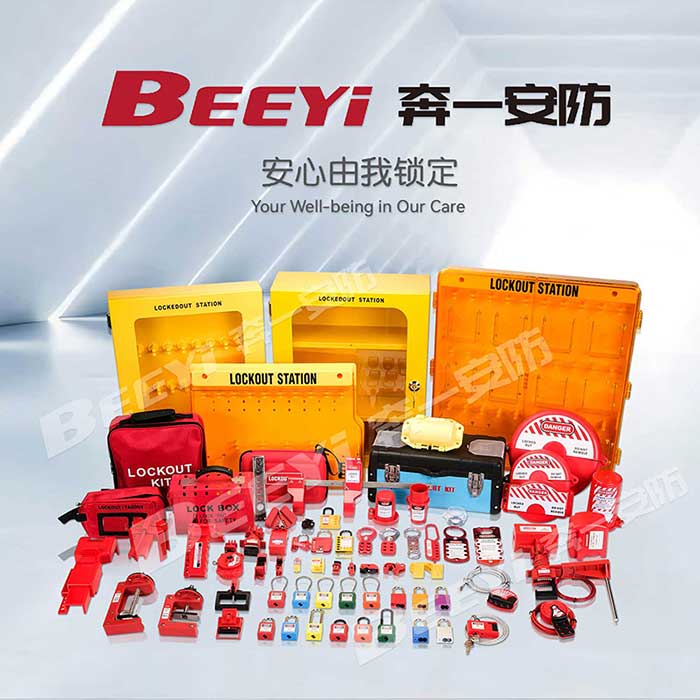
To begin with, lockout in the context of industrial safety refers to a safety protocol that prevents the accidental activation of machinery while maintenance or repair work is being performed. This measure is critical in safeguarding workers from potentially fatal accidents. The Occupational Safety and Health Administration (OSHA) in the United States mandates that industries implement lockout/tagout (LOTO) procedures to ensure the safety of employees working on energized equipment. The LOTO process typically involves shutting down the equipment, isolating it from its energy source, and applying locks or tags to the controls, thereby ensuring that unauthorized personnel cannot access the equipment during this time.