Lock tags play a critical role in ensuring safety in industrial and workplace environments, especially in areas that deal with hazardous equipment, machinery, or high-risk systems. Whether in manufacturing plants, construction sites, or laboratories, lock tags serve as essential tools to safeguard workers from injury during maintenance or repair activities. This article delves into the importance of lock tags, their function, how they are used, and their impact on workplace safety.
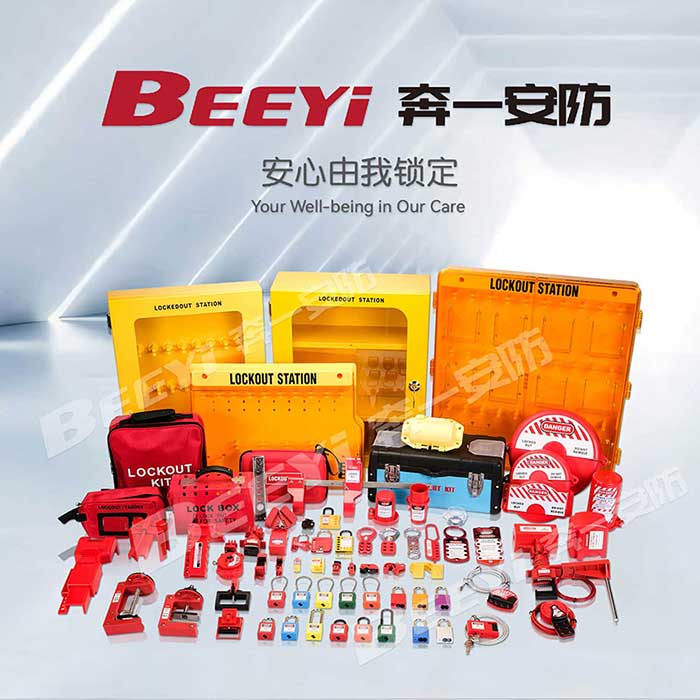
What Are Lock Tags? Lock tags are safety devices used to indicate that equipment or machinery has been locked out for servicing or maintenance and should not be operated. Typically, they are part of the Lockout/Tagout (LOTO) system, a safety protocol that is designed to prevent the accidental release of hazardous energy while employees work on equipment. The LOTO system mandates that all energy sources be isolated and that the equipment be physically locked and tagged to ensure that no one can inadvertently start it. Lock tags are designed to clearly communicate the status of the equipment to all employees within the area, signaling that the equipment is undergoing maintenance and cannot be used. They often include details such as the name of the individual who locked out the equipment, the time of the lockout, and the reason for the lockout.