Lock tags are a crucial element in modern data security, resource management, and software development. These tags serve as protective markers, ensuring that sensitive resources and information remain secure and unaltered by unauthorized access or changes. Whether in hardware systems, software applications, or organizational workflows, lock tags have become an essential tool for preventing data corruption, safeguarding operations, and ensuring compliance with privacy standards. This article explores the significance of lock tags, their use cases, and their role in enhancing security measures across various industries.
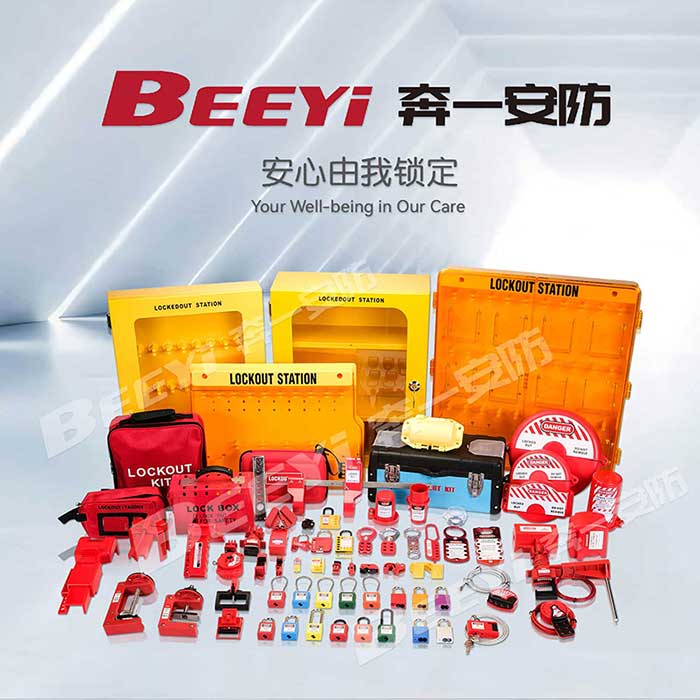
What Are Lock Tags? At its core, a lock tag is a label or marker applied to a resource, system, or data entity to restrict unauthorized access or modification. These tags act as indicators that the associated resource is protected and should not be tampered with. Depending on the context, lock tags may be physical labels, digital flags, or virtual permissions embedded within the software code or infrastructure. In essence, lock tags help prevent potential threats and errors by imposing restrictions. For example, in database management, a lock tag may prevent multiple users from editing the same data simultaneously, thereby avoiding data corruption. In hardware or manufacturing systems, a lock tag could be used to signal that a device or equipment should not be serviced or altered until specific conditions are met.