Lock out padlocks are vital components in ensuring workplace safety, particularly in industrial environments where machinery and equipment pose significant risks during maintenance and repair processes. The primary function of lock out padlocks is to facilitate effective lockout/tagout (LOTO) procedures, which are designed to prevent the unintended energization of machinery and safeguard maintenance personnel. This article delves into the importance, types, and best practices associated with lock out padlocks, highlighting their role in occupational safety.
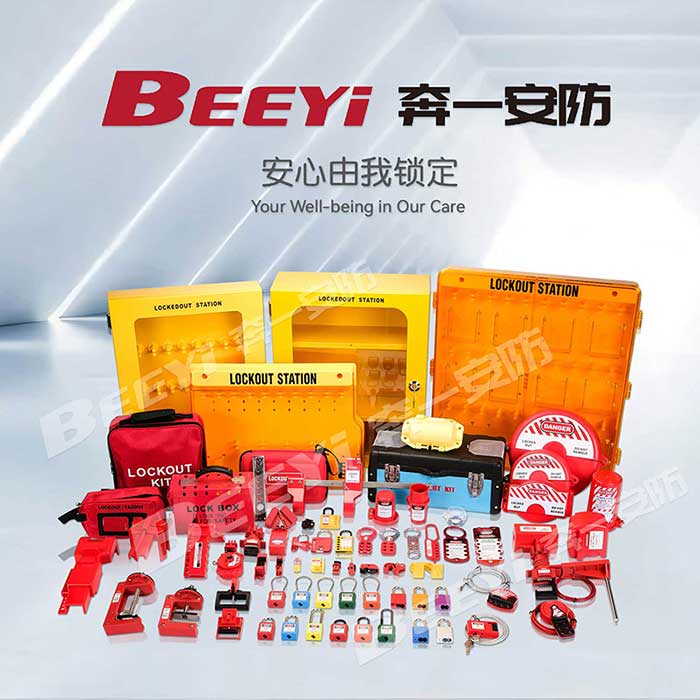
The Importance of Lock Out Padlocks The essence of lock out padlocks lies in their ability to secure energy sources and machinery, thereby significantly reducing the risk of accidents. According to the Occupational Safety and Health Administration (OSHA), thousands of workplace accidents occur each year due to improper machine maintenance, often leading to serious injuries or fatalities. Lock out padlocks serve as a critical barrier to ensure that machinery cannot be inadvertently turned on while workers are performing maintenance tasks. Moreover, implementing a robust lockout/tagout program is not just about compliance with regulations; it also fosters a culture of safety within an organization. By prioritizing safety through the use of lock out padlocks, companies demonstrate their commitment to protecting their employees and minimizing workplace hazards.