In industries where machinery and equipment are prevalent, ensuring safety is paramount. One essential tool in maintaining that safety is the use of lock out padlocks. These specialized padlocks play a crucial role in a safety protocol known as Lockout/Tagout (LOTO), which is designed to protect workers from the unexpected energization or startup of machines and equipment during maintenance or servicing. This article delves into what lock out padlocks are, their importance, and best practices for their use.
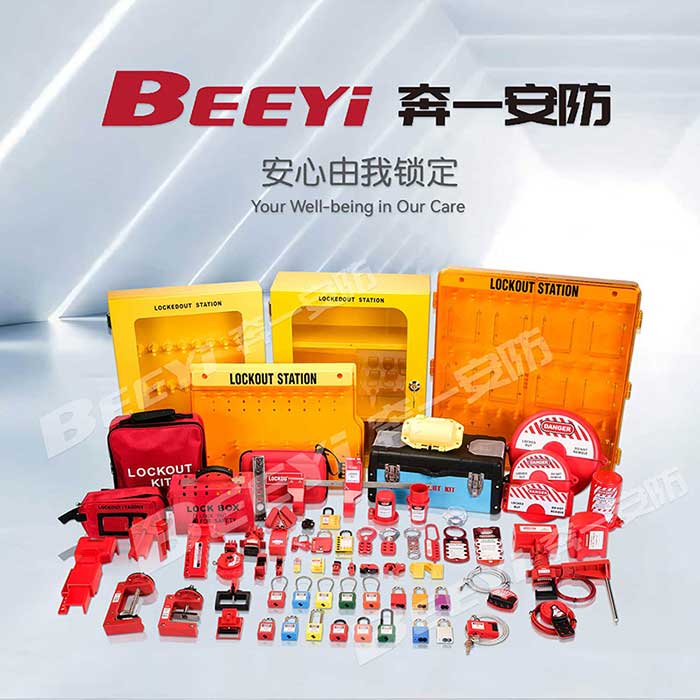
What are Lock Out Padlocks? Lock out padlocks are designed specifically for locking out equipment to ensure that they cannot be activated while maintenance or servicing is being performed. Unlike standard padlocks, these locks are typically more robust, have a unique keying system, and are often brightly colored to indicate that a piece of equipment is in a locked-out state. They usually come in various sizes and colors, allowing for the safe identification of different equipment and, importantly, preventing unauthorized access or tampering. Importance of Lock Out Padlocks The importance of lock out padlocks cannot be overstated. According to the Occupational Safety and Health Administration (OSHA), over 3 million injuries occur in workplaces every year, many of which could be prevented through proper lockout/tagout practices. Lock out padlocks serve as a physical barrier against the accidental start-up of machinery, thereby significantly reducing the risk of injury to workers during maintenance procedures.