Lock out equipment plays a critical role in maintaining a safe working environment, particularly in industries that involve heavy machinery and electrical systems. The primary purpose of lockout equipment is to prevent accidental machinery startup or the release of hazardous energy during maintenance or servicing. This essay will delve into the components, procedures, and significance of lockout equipment, emphasizing its necessity for ensuring worker safety.
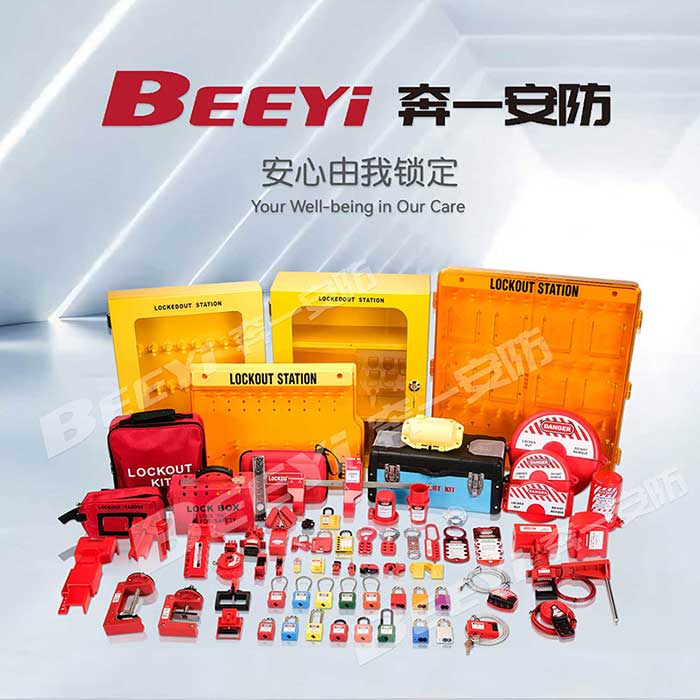
What is Lock Out Equipment? Lock out equipment comprises various devices and tools designed to isolate and secure energy sources on machinery and equipment. This range of equipment includes padlocks, hasps, tags, and locking devices for valves and switches. The lockout/tagout (LOTO) procedure is a systematic approach to controlling hazardous energy, ensuring that machinery cannot be operated until maintenance workers have completed their tasks and triggered a safe return to operation. Key Components of Lock Out Equipment Locks: Central to the lockout process, locks are used to block control devices such as electrical switches or valve handles. They are designed to prevent unauthorized reactivation of machinery.