Lockout/Tagout (LOTO) procedures are fundamental to maintaining a safe work environment, especially in industries where machinery and equipment are regularly serviced or maintained. Central to these procedures is the concept of “lock out equipment.” Lock out equipment refers to tools and devices used to isolate energy sources during maintenance, repair, or inspection processes. These devices prevent accidental release of hazardous energy, protecting workers from potentially life-threatening injuries. This article delves into the significance of lock out equipment, its components, and how it ensures safety in industrial settings.
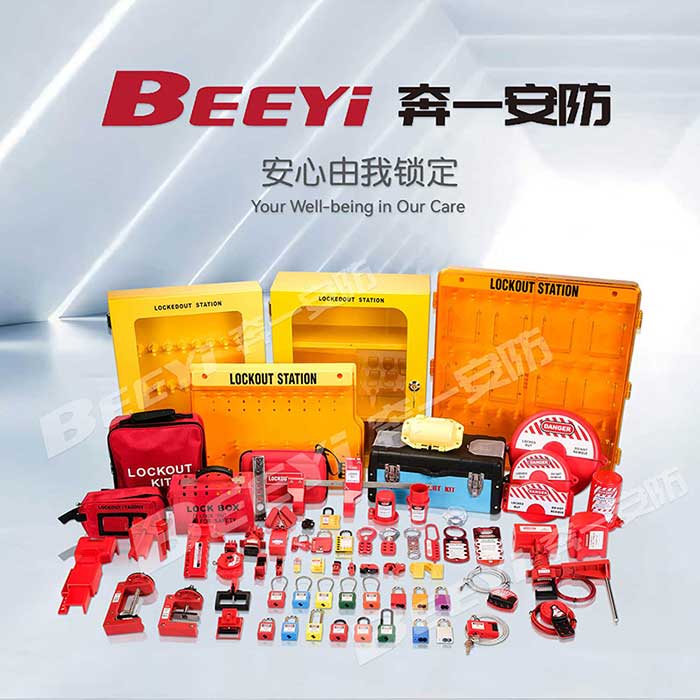
What is Lock Out Equipment? Lockout equipment encompasses a variety of tools and devices that are employed to control hazardous energy during the servicing or maintenance of machinery. The purpose of lockout equipment is to prevent the unintended release of energy, such as electricity, hydraulic pressure, steam, or mechanical movement, which could harm workers during the maintenance process. These devices physically isolate energy sources by locking them in the off position, preventing accidental activation of machines while maintenance is being performed. The most common types of lock out equipment include locks, lockout tags, hasps, valve lockouts, and electrical lockout devices. Each of these plays a specific role in ensuring that energy sources are properly isolated and that maintenance personnel are fully aware of the equipment’s status.