A Leakage Current Relay (LCR) is an essential protective device in electrical systems that detects abnormal leakage currents and prevents potential hazards such as electrical shocks or fire. In both residential and industrial applications, leakage current poses significant risks if left unchecked, making LCRs crucial for safeguarding both human lives and equipment. This article delves into the function, types, working principle, and practical applications of leakage current relays.
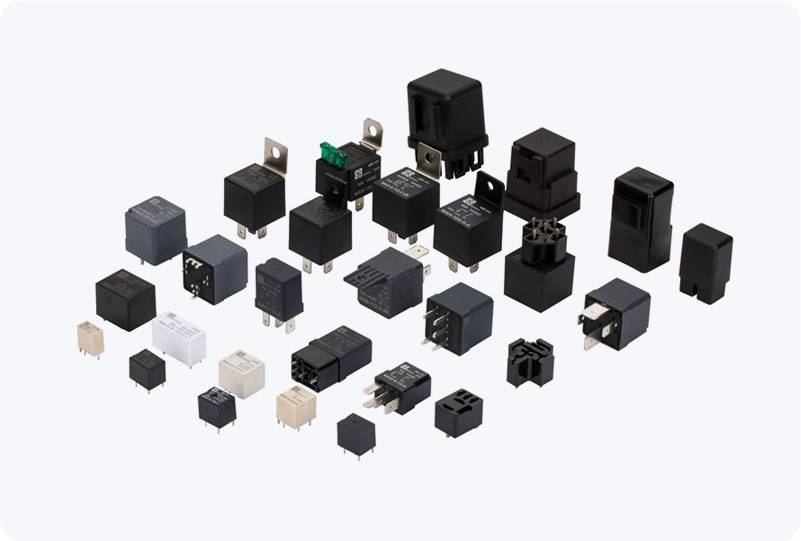
What is a Leakage Current Relay? A Leakage Current Relay is a type of protection relay designed to detect leakage currents in an electrical circuit. Leakage current refers to the unintended flow of electricity, typically caused by insulation failure, faulty wiring, or external factors like water exposure. These leakage currents can be hazardous to humans or cause damage to electrical equipment. A leakage current relay continuously monitors the current flow and compares the incoming current with the outgoing current. If there is a discrepancy, signaling leakage, the relay is triggered to either sound an alarm or disconnect the circuit to prevent further damage or injury.
Leave a Reply