In modern electrical engineering, the efficiency and reliability of power systems are paramount. One crucial component that plays a significant role in enhancing these attributes is the latching relay. Known for its unique characteristics, the latching relay is extensively utilized in power systems to facilitate control operations without continuous power consumption. This article aims to delve into the functionality, applications, advantages, and considerations surrounding latching relays in power systems.
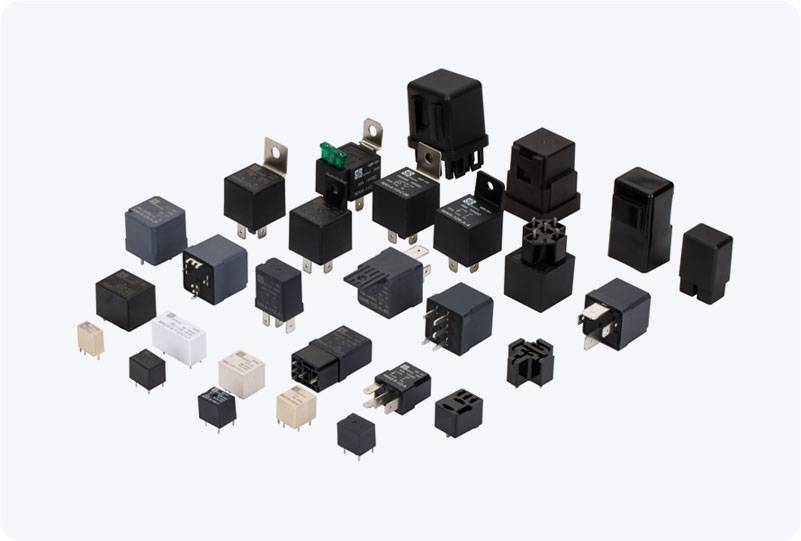
Working Principle Latching relays are electromechanical switches that maintain their position after being activated by an electrical input pulse. Unlike standard relays that require a continuous power supply to remain in their activated state, latching relays can hold their state even when the power is turned off. This is made possible through either a mechanical or magnetic mechanism that latches the relay in its position. In operation, when a specific voltage pulse is applied, the relay switches from one state (usually ‘OFF’) to another (typically ‘ON’). To return the relay to its original state, a reverse pulse is applied. This characteristic of maintaining its state without needing sustained power makes latching relays highly efficient.