Latching relays, often referred to as “bistable relays,” are an essential component in various electrical and electronic systems. Unlike conventional relays that require continuous current to maintain their state, latching relays retain their position even after the power supply is removed. This unique characteristic makes them invaluable in energy-efficient designs and applications requiring long-term state retention. This article explores the fundamental working principle of latching relays, their key benefits, and practical applications across industries.
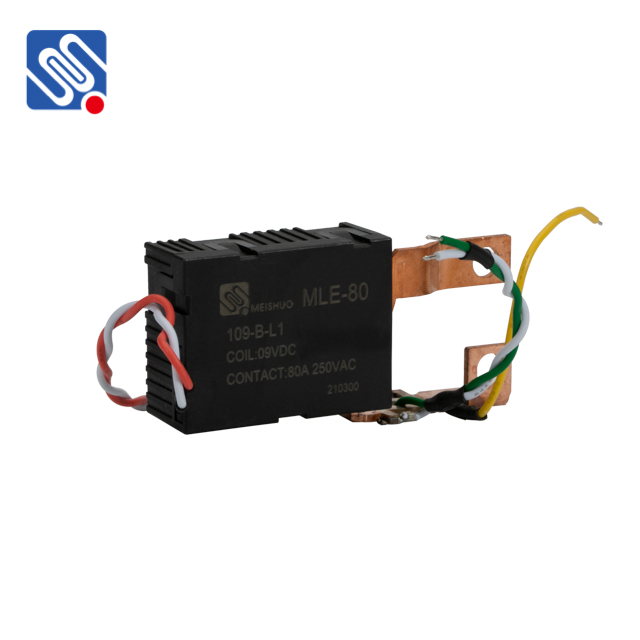
What is a Latching Relay? A latching relay is an electromagnetic device that uses a short pulse of current to change the state of its contact points, holding them in that state without the need for continuous power. This contrasts with traditional relays, which require a constant flow of electricity to maintain their operational state. Latching relays typically have two states: one where the contacts are open (unactivated) and one where they are closed (activated). To change from one state to another, a pulse signal is sent to the relay, which mechanically or electronically latches into the new position.