In the realm of electrical engineering and automation, the latching relay stands out as a significant component due to its unique operational characteristics. Unlike traditional relays, which require continuous power to maintain their state, a latching relay can sustain its position even after the power supply is interrupted. This fundamental difference enables a variety of applications, particularly in systems where energy efficiency and reliable state retention are critical. In this article, we will explore the workings, types, advantages, applications, and considerations involved in using latching relays.
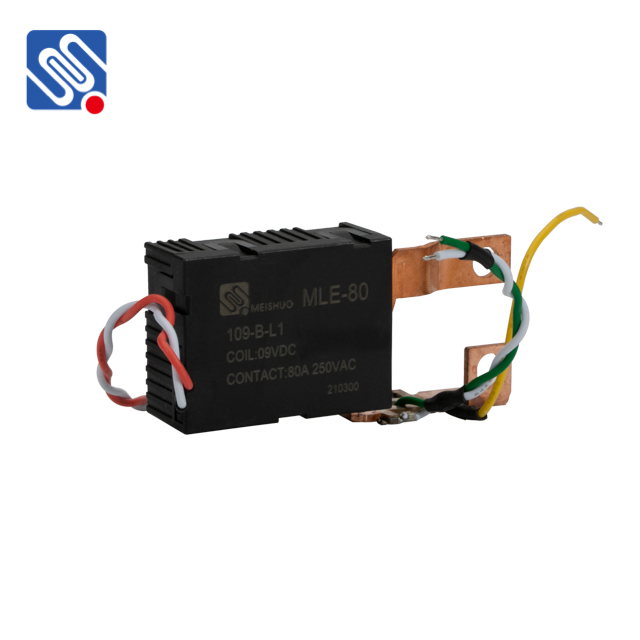
Working Principle A latching relay operates using two primary states: “set” and “reset.” It typically consists of two electromagnets or coils—a set coil and a reset coil. When current flows through the set coil, it creates a magnetic field that activates the relay, changing its output state, for instance, from open to closed. This change in state allows the relay to complete or interrupt a circuit, controlling the flow of electricity to the connected devices. Once the relay is activated, it will remain in this state without requiring further power supply. This capability is particularly advantageous in applications where maintaining a state is necessary, even during power outages or signal interruptions. To revert to its initial state, a current is passed through the reset coil, which generates a magnetic field that switches the relay back to its default setting.