In today’s highly interconnected world, electrical systems are pivotal across various sectors, including healthcare, manufacturing, transportation, and more. Amid escalating concerns regarding electrical safety, the Insulation Monitoring Relay (IMR) has emerged as a vital component in ensuring the safety and reliability of electrical installations. This article delves into the function, significance, and working principles of insulation monitoring relays, shedding light on their indispensable role in modern electrical systems.
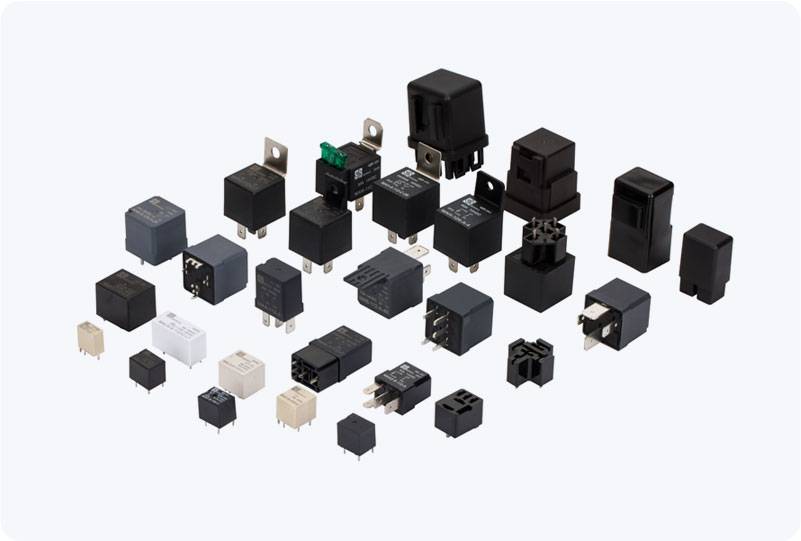
What is an Insulation Monitoring Relay? An Insulation Monitoring Relay is an electrical device designed to continuously monitor the insulation resistance of electrical systems against ground faults. By measuring the resistance between live conductors and earth, the IMR captures any degradation in insulation, alerting operators before serious faults occur. This proactive approach significantly reduces the risk of equipment damage and ensures personnel safety in environments where electrical installations are crucial. The Importance of Insulation Monitoring The fundamental purpose of an IMR is to detect insulation failures that could lead to electrical shocks, fires, or equipment malfunctions. In many situations, particularly in healthcare facilities, even small insulation faults can jeopardize safety and operational continuity. For example, in operating rooms where numerous electrical devices are in use, an insulation failure can not only harm the equipment but also endanger the lives of patients and healthcare providers.