In modern electrical systems, ensuring the safety and reliability of equipment is crucial, and one of the essential components that aid in this endeavor is the Insulation Monitoring Relay (IMR). As electrical systems become more complex and the demand for uninterrupted power supply grows, the importance of monitoring insulation resistance has never been greater. This article delves into the functionalities, principles of operation, applications, and benefits of insulation monitoring relays.
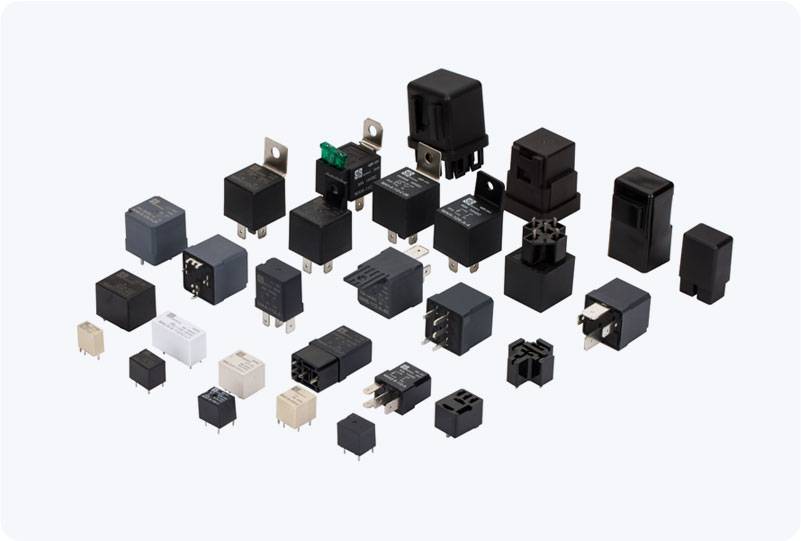
What is an Insulation Monitoring Relay? An Insulation Monitoring Relay is a safety device designed to monitor the insulation resistance of electrical systems. It serves primarily to detect insulation failures between conductors and ground, which can pose significant risks to both personnel and equipment. When an insulation fault occurs, it can lead to electric shocks, equipment malfunctions, or even catastrophic failures. Hence, an IMR provides an early warning system, allowing for proactive maintenance and intervention. Functionality of Insulation Monitoring Relays The primary functionality of an IMR revolves around measuring insulation resistance. The device operates by injecting a small test voltage into the electrical system under assessment.