Insulation Monitoring Relays (IMRs) are critical devices used to ensure the safe operation of electrical systems, particularly in isolated or ungrounded systems. These relays play a crucial role in detecting insulation faults in electrical circuits, which, if left unchecked, can lead to hazardous situations such as electric shocks, equipment damage, and even fires. In this article, we will explore the functioning, application, and importance of Insulation Monitoring Relays in modern electrical systems.
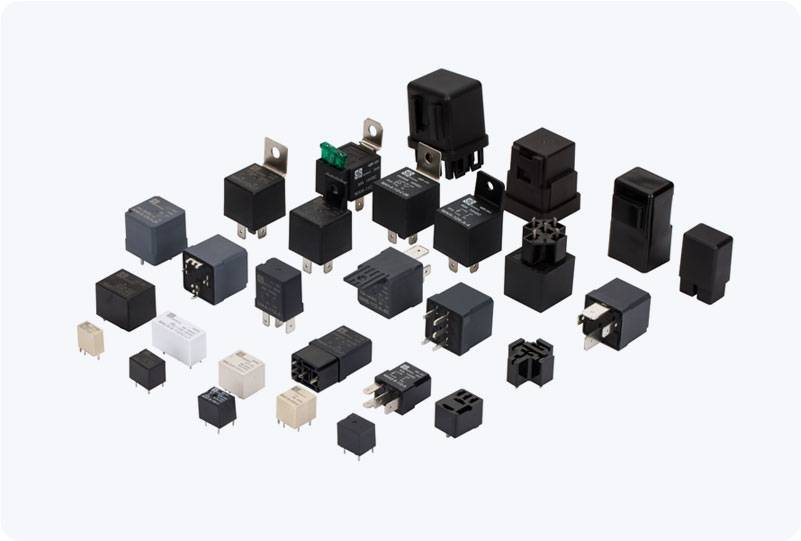
What is an Insulation Monitoring Relay? An Insulation Monitoring Relay is an electrical safety device designed to monitor the insulation resistance of electrical systems, particularly in isolated or ungrounded power distribution systems. Its primary purpose is to detect potential insulation failures or ground faults, which could pose risks to both people and equipment. IMRs typically monitor the insulation resistance between live conductors and earth ground, providing real-time alerts if resistance falls below a safe threshold. The Working Principle of an IMR IMRs operate by continuously measuring the insulation resistance of an electrical installation. In an isolated or ungrounded system, there is no direct connection between the live conductor and the earth, which makes it challenging to detect faults until they become severe. An IMR solves this problem by monitoring the insulation quality.