Industrial relays are essential devices in the automation and control systems of modern industrial environments. They are electromagnetic switches designed to control one electrical circuit by using another circuit, allowing operators to efficiently manage high-voltage or high-current systems using low-control signals. This article will explore the main types of industrial relays, their applications, and the critical factors to consider when selecting the right relay for a specific task.
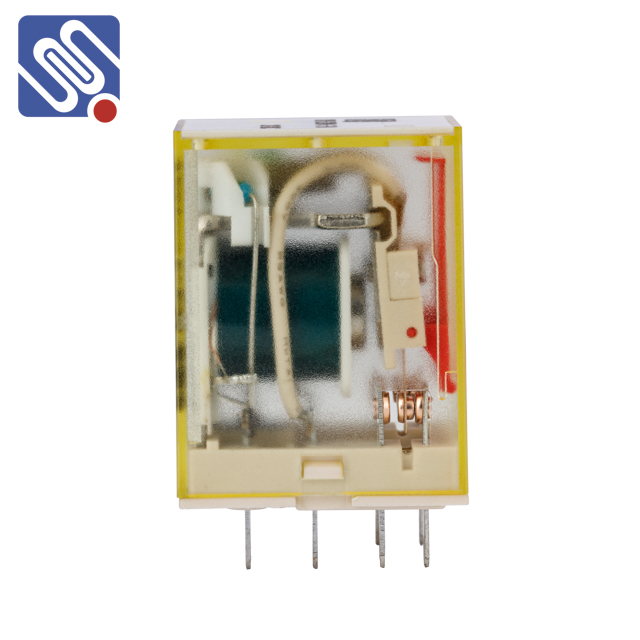
What is an Industrial Relay? An industrial relay is an electrically operated switch that uses an electromagnet to mechanically operate a switching mechanism. When a small current flows through the coil, it creates a magnetic field that opens or closes the contacts of the relay, allowing or preventing the flow of a larger current. This type of control is invaluable in various settings, enabling automation, safety, and the efficient operation of machinery. Types of Industrial Relays Electromagnetic Relays (EMR): The most common type of relay, EMRs have moving parts and use mechanical contacts. They are ideal for applications where reliable electrical isolation and physical action are required, but they can be slower and less durable compared to newer technologies.
Leave a Reply