Industrial power switches are essential devices that play a crucial role in controlling electrical systems and equipment in various industries. These switches offer a means to safely manage the delivery of electricity, ensuring that machinery and apparatus operate efficiently and safely. In an era where industrial automation and technological advancements are at the forefront, understanding industrial power switches becomes imperative for engineers, technicians, and anyone involved in the management of electrical systems.
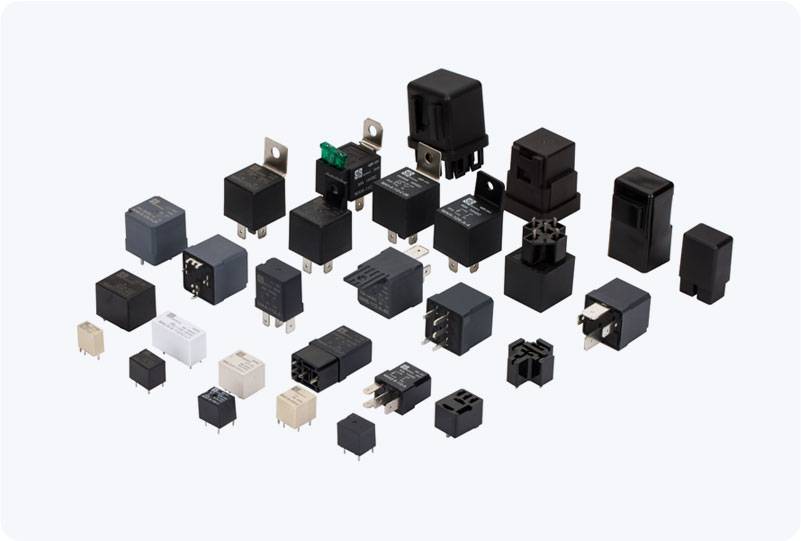
The Functionality of Industrial Power Switches At its core, an industrial power switch serves the primary function of turning the electrical power supply on and off for various devices. However, its significance extends beyond this basic operation. Industrial power switches are designed to handle high voltages and large amounts of current typical in industrial settings. They offer a reliable means of disconnecting power for maintenance, troubleshooting, or emergency situations. These switches come in various types and designs, each tailored to meet specific operational needs. For instance, circuit breakers, contactors, and disconnect switches are common types of industrial power switches. Circuit breakers serve as protective devices that automatically interrupt electrical flow in case of overload or short circuits, thus preventing electrical fires and equipment damage. Contactors, on the other hand, are used for switching electrical loads such as motors, while disconnect switches provide a visible means of isolating electrical circuits for maintenance.