Industrial Pneumatic Lockouts are essential components in maintaining workplace safety, especially in industries that rely on pneumatic systems to power their equipment. These lockout devices are designed to prevent the accidental release of pressurized air in pneumatic systems, reducing the risk of injury or damage during maintenance and repair activities. In this article, we will explore what industrial pneumatic lockouts are, their importance in safety protocols, and the different types available for use in various industrial settings.
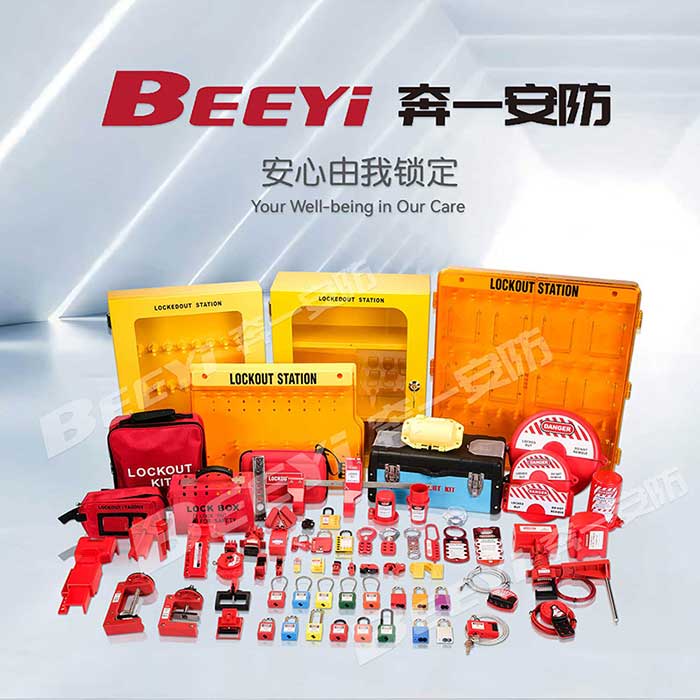
What are Industrial Pneumatic Lockouts? An Industrial Pneumatic Lockout is a safety device used to isolate pneumatic energy sources—typically compressed air—in industrial machinery or equipment. When maintenance or repair work is required, the lockout ensures that the pneumatic system is securely isolated from its energy source, preventing any accidental or unintentional activation of the machinery while personnel are working on it. These lockout devices form part of the broader Lockout/Tagout (LOTO) procedures, which are mandated by safety regulations such as OSHA (Occupational Safety and Health Administration) to safeguard workers from hazardous energy during maintenance or servicing tasks.