The IEC 61811 relay is an essential component in various electrical and electronic systems, forming a crucial part of control circuits, protection measures, and automation processes. Standardized by the International Electrotechnical Commission (IEC), this standard focuses on the performance, testing, and reliability of electromechanical relays. This article aims to delve into the details of IEC 61811, exploring its significance, key features, applications, and associated benefits.
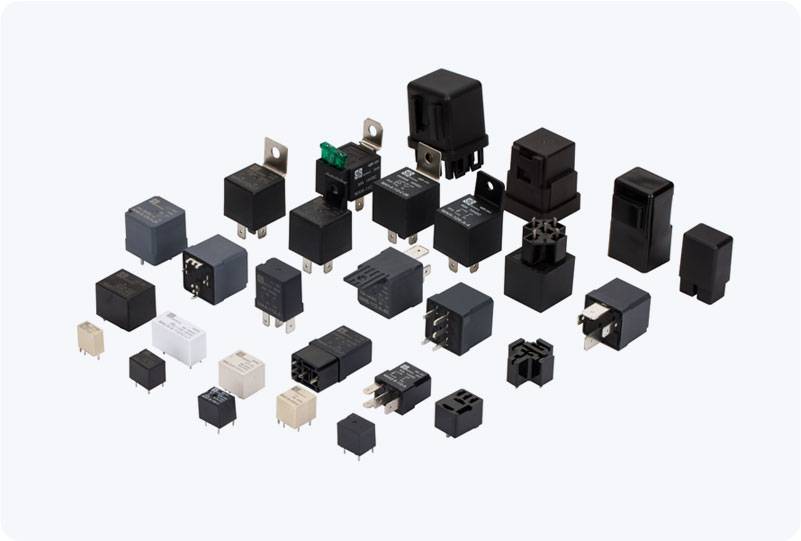
The Importance of Standards Standards play a vital role in ensuring safety, quality, and interoperability of components used in electrical applications. The IEC 61811 standard is specifically designed for electromechanical relays, providing a framework that facilitates uniformity and reliability. By adhering to this standard, manufacturers can produce relays that meet international performance benchmarks, which improves their acceptance and usability in global markets. Performance Requirements IEC 61811 outlines various performance requirements for relays. These include electrical characteristics such as contact resistance, insulation resistance, and dielectric strength. It mandates that relays must perform effectively under specified conditions, which helps prevent failures that can lead to costly downtimes or catastrophic failures in critical systems.
Leave a Reply