The IEC 61811 Relay standard, defined by the International Electrotechnical Commission (IEC), is a crucial guideline for time relays used in electrical systems and industrial automation. This standard provides specifications for time relays, which play a vital role in controlling the timing operations of electrical circuits, ensuring systems function smoothly and safely. In this article, we will explore the IEC 61811 Relay, its core features, the industries where it is applied, and the importance of adhering to these standards for safety and reliability.
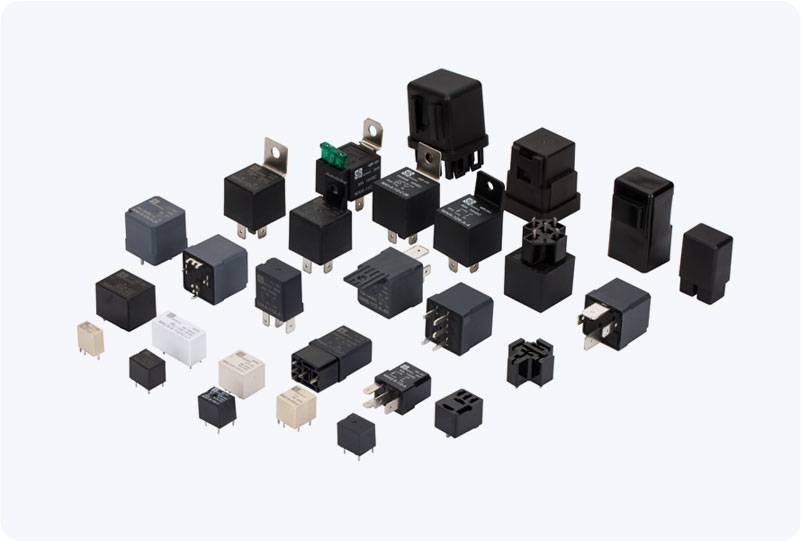
What is IEC 61811 Relay? The IEC 61811 Relay standard specifically refers to time relays designed to control the operation of electrical circuits through time-based delays. Time relays are critical components used in automation systems, power distribution networks, and various industrial processes. These relays work by delaying the activation or deactivation of contacts within a circuit, either for a predefined duration or until specific conditions are met. The IEC 61811 standard addresses the requirements for the design, functionality, and testing of these relays, ensuring they operate within specified limits of voltage, current, and environmental conditions. This standard ensures compatibility and performance across a wide range of applications and industries.