The increasing adoption of electric vehicles (EVs) is transforming the global automotive industry. Along with the rise of electric vehicles comes the need for reliable and efficient charging infrastructure. Among the critical components of EV charging stations is the relay, a device that controls the flow of electricity to the vehicle’s battery. The IEC 61811 standard, specifically designed for EV relays, plays an essential role in ensuring that these relays meet the necessary performance, safety, and environmental criteria. This article explores the significance of IEC 61811 EV relays, their specifications, and their importance in EV charging systems.
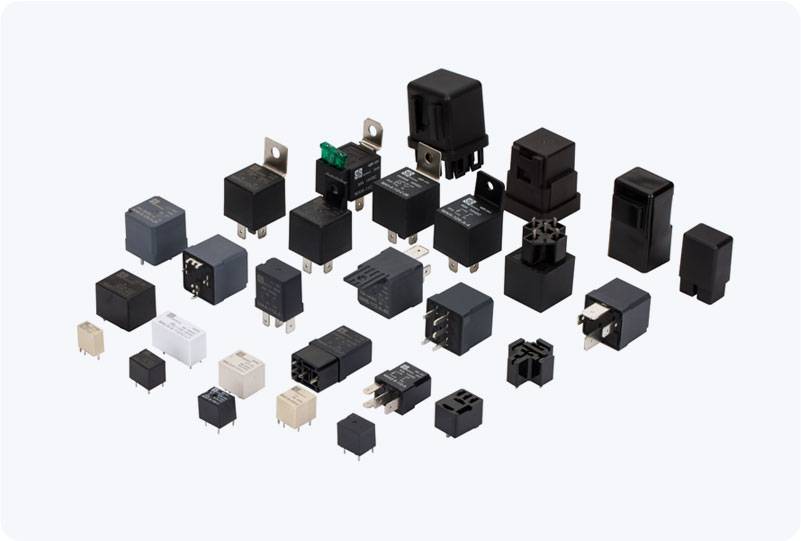
What is IEC 61811 EV Relay? IEC 61811 is an international standard set by the International Electrotechnical Commission (IEC) that outlines the technical requirements for relays used in electric vehicle charging infrastructure. This standard is primarily concerned with ensuring the safety, reliability, and efficiency of the relay devices that manage the electrical connections between the charging station and the electric vehicle. A relay, in the context of EV charging, is a switch that allows or interrupts the flow of electrical current from the charging station to the vehicle. The relay ensures that the vehicle’s battery is charged safely, efficiently, and in accordance with pre-established parameters. The IEC 61811 standard ensures that these relays meet the necessary criteria for electrical performance, environmental durability, and safety.