As the global automotive industry shifts towards electric vehicles (EVs), ensuring the safety and efficiency of their charging infrastructure has become paramount. One critical component in this ecosystem is the relay, particularly the IEC 61811 EV Relay, which plays an essential role in managing the electrical connections during the charging process. This article delves into the significance of IEC 61811 EV Relay, its operational principles, safety considerations, and its impact on the future of electric vehicle infrastructure.
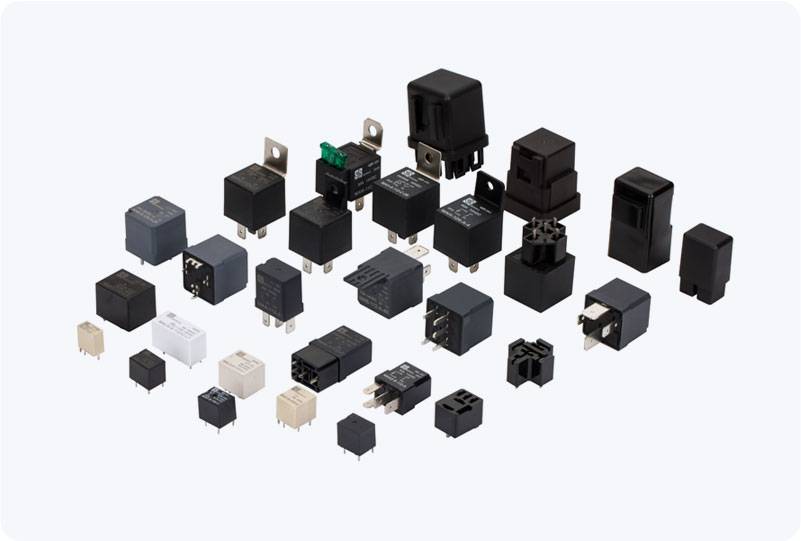
The Role of IEC 61811 EV Relay IEC 61811 pertains to international standards that govern the performance, functionality, and safety of relays used in various applications, including electric vehicle charging systems. An EV relay serves as an electromechanical switch that allows or interrupts the flow of electrical current between the power supply and the electric vehicle during the charging cycle. The relay’s primary function is to ensure that the vehicle can charge safely and efficiently, and it must perform this task reliably under various operating conditions. Reliability and Durability