As the automotive industry continues to evolve, the emphasis on safety, reliability, and functionality becomes more pronounced. Given the increasing complexity of automotive electronic systems, the importance of adhering to safety standards cannot be overstated. One such standard is IEC 61508, which provides a framework for achieving functional safety in electrical and electronic systems. This article explores the concept of IEC 61508 compliant automotive relays, their importance in modern vehicles, and their role in enhancing road safety.
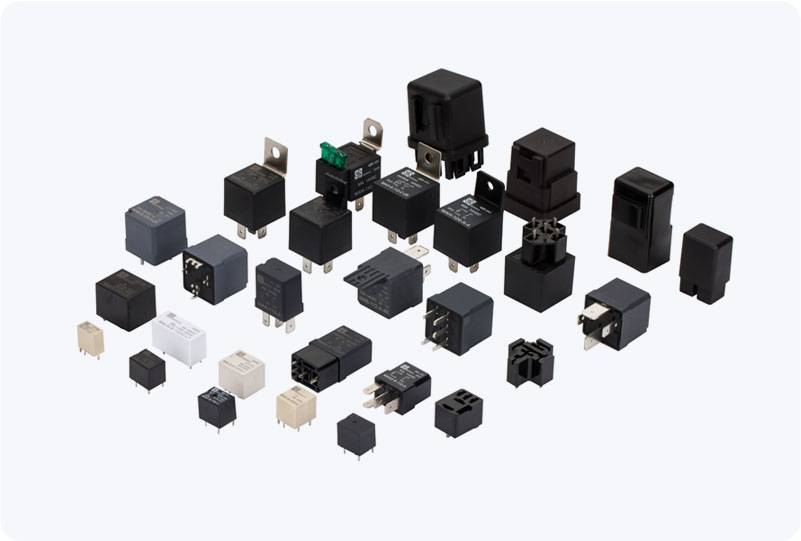
The Framework of IEC 61508 IEC 61508 is an international standard focused on functional safety. It addresses the entire safety lifecycle of systems, from conceptualization and risk assessment to design, implementation, verification, and maintenance. The standard categorizes safety requirements into four Safety Integrity Levels (SIL), ranging from SIL1, which represents the lowest level of risk reduction, to SIL4, which signifies the highest. An IEC 61508 compliant relay must meet specific performance requirements to reduce risks associated with failures or malfunctions. The Role of Automotive Relays